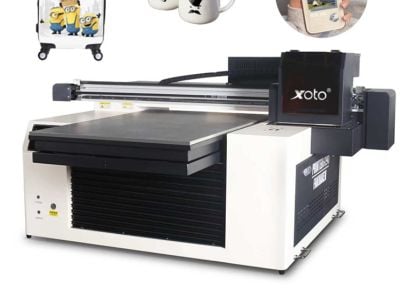
Curing quality in UV printing is very important to make sure the printed products look good and last a long time. UV printers use special lights to dry the ink quickly. If the curing is not done properly, the ink can smear or fail to adhere correctly. This can lead to issues such as fading or peeling from the surface. In this article, we discuss what affects curing quality in UV printing and how to achieve the best possible results. We also look at where to find quality materials that support the curing process. At Xoto, we know how vital curing quality is for printing success
How to Get the Best Curing in UV Printing for Wholesale
To achieve the best curing quality in UV printing for wholesale, there are several steps you can take. First, check that the UV printer is set up correctly. This means making sure the lamps are working properly and are positioned at the correct distance from the material. If the settings are not correct, the ink will not cure properly. Second, printing speed can affect curing. Printing too quickly means the ink may not receive enough UV light, leading to poor curing. Slowing down the printing speed may help the ink cure completely. Third, the type of ink also matters. Some inks cure better under UV light than others. Choosing high-quality ink can make a big difference. At Xoto, we recommend inks specifically designed for UV printing to achieve the best results. Lastly, the printing environment affects curing. High humidity or extreme temperatures can interfere with the curing process. Keeping the workspace at the proper temperature and humidity can improve curing quality. By paying attention to these factors, you can ensure high-quality UV printing for wholesale
Finding the Right Materials for UV Printing Curing
Finding the right materials for UV printing is essential for achieving better curing. First, choose high-quality substrates such as paper or plastic that are designed for UV printing. At Xoto, we offer a variety of materials that work well with hybrid uv printing, allowing the ink to adhere and cure properly. Using the wrong substrate can cause the ink to smear or fail to adhere. Also, look for materials with coatings designed for UV printing. These coatings can help the ink cure more effectively. Another important factor is choosing reliable suppliers for UV printing materials. You want suppliers that provide consistent quality, so you don't have to worry about differences between batches. Just like your favorite snack, you want the same quality every time. Keep an eye on new materials entering the market. The printing industry is constantly evolving, and new materials can improve curing performance. At Xoto, we stay updated with the latest trends and materials to help our customers find the best solutions for their UV printing needs. Choosing high-quality materials enhances curing and produces long-lasting prints
What Role Does Ink Viscosity Play in UV Printing Curing
Ink viscosity refers to how thick or thin the ink is. In UV printing, ink viscosity is very important for curing, which is the process of drying and hardening the ink using ultraviolet light. If the ink is too thick, it may not spread evenly across the surface. This can result in uneven colors or areas where the ink does not cure properly. On the other hand, if the ink is too thin, it may run or bleed, creating messy prints. Finding the right balance is essential. At Xoto, we carefully monitor ink viscosity to ensure our prints come out perfectly. When the ink has the correct viscosity, it flows smoothly and adheres properly to the material. This helps the ink cure evenly under UV light. UV light hardens the ink quickly, resulting in high-quality prints. If you need to check ink viscosity, you can use a viscometer, which measures the thickness of the ink so you can make adjustments if necessary. Achieving the correct viscosity also saves time and money. If the ink cures properly the first time, there is no need to reprint or correct mistakes. This is especially important for wholesale buyers from Xoto who expect high-quality orders delivered on time. Ink viscosity plays a major role in curing quality because it affects adhesion, appearance, and product durability
How to Troubleshoot Common Curing Problems in UV Printing
Even with the best equipment, problems can sometimes occur in UV Printer. One common issue is ink that does not cure properly. The prints may feel sticky or appear dull. There are several things you can check to solve this problem. First, inspect the UV light source. If the light is not strong enough or is positioned incorrectly, the ink may not cure properly. Make sure the bulbs are clean and functioning correctly. Another thing to check is the printing speed. If the printer operates too quickly, the ink may not receive enough UV exposure. Slowing down the printer can help the ink receive the UV light it needs. At Xoto, we carefully test our machines to achieve the proper printing speed and the best results. You should also consider the type of material being printed on. Some surfaces, such as plastic, require special inks or different settings for effective curing. If you experience problems, try using a different ink or adjusting the settings for that material. In addition, environmental conditions can affect curing. High humidity or low temperatures can make it more difficult for the ink to cure. Make sure the printing area is maintained at the proper temperature and humidity. Finally, if bubbles or other imperfections appear, the ink may not have been applied correctly. Check your printing process to ensure the correct amount of ink is applied evenly across the surface. Troubleshooting these issues can improve curing quality and produce better prints. At Xoto, we believe learning how to solve these problems is essential for creating high-quality prints that customers appreciate
What Technology Advances Improve Curing for Wholesale Buyers
Technology is always evolving, and that benefits anyone looking for high-quality uv printer. At Xoto, we stay up to date with the latest advancements to provide our customers with the best results. One major improvement is the development of LED UV lights. These lights use less energy, last longer than traditional lamps, and produce less heat. This helps prevent damage to materials while allowing prints to cure faster and with better quality. Faster curing is especially important for wholesale buyers who need large orders completed quickly. Another advancement is the development of improved ink formulations. Modern UV inks cure more effectively under UV light, adhere better to different surfaces, and produce more vibrant colors. Some also offer enhanced durability, scratch resistance, and water resistance. These features are valuable for wholesale buyers who require long-lasting printed products. Software improvements have also made it easier to control the printing process. New software allows operators to adjust settings quickly and immediately see how those changes affect print quality. This makes it easier to optimize curing during production. With these tools, Xoto can provide consistently high-quality prints for wholesale customers. Finally, automation has transformed UV printing. Modern machines can automatically adjust settings, making the printing process more efficient and reducing human error. This helps ensure consistent print quality across every order. As technology continues to advance, Xoto is committed to using these innovations to improve curing quality in UV printing.
