
- Overview
- Key Features
- About us
- Specifications
- FAQ
- Recommended Products
Parameters
Direct Jet UV Printer That Prints Straight onto the Product
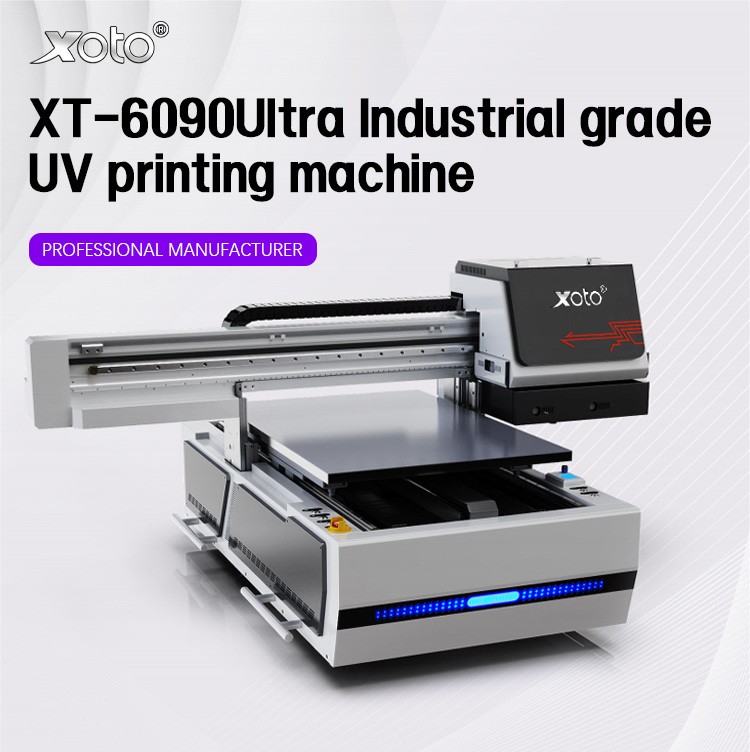
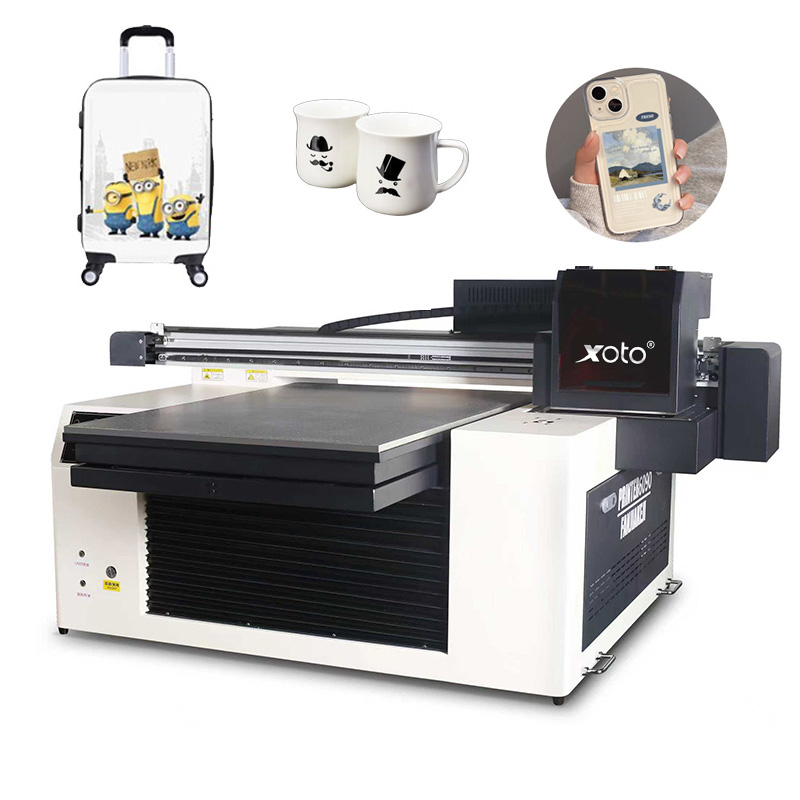
XOTO XT-6090Ultra — a direct jet UV printer that jets ink straight onto the substrate, cured on the spot by UV LED.
A direct jet UV printer skips the steps that slow traditional decoration down. There is no screen to burn, no plate to make, no transfer paper to press and no drying rack to wait for: the printhead jets UV ink directly onto the surface, and the LED lamp cures it in the same pass. The XOTO XT-6090Ultra applies that principle to a 600 x 900 mm platform, so you can print a batch of phone cases, a helmet shell, a thermos body or a full sheet of signage panels without changing equipment.
Direct jet printing is also the reason this machine handles objects, not just sheets. Because the head travels over a fixed platform with adjustable clearance, curved and raised items print as easily as flat board — sports balls, helmet shells, molded housings, boxed gift sets. If your order book mixes flat signage with 3D products, one direct jet UV printer keeps both on the same schedule.
Why Buyers Choose This Direct Jet UV Printer
• 600 x 900 mm platform — dozens of small parts nested per run, or one full A2+ signage panel, with no plate or screen cost per design.
• Three print modes in one direct jet UV printer — flatbed for rigid media, roll module for film and stickers, rotary for cylinders.
• Direct-to-object printing — helmet shells, bottles, balls and molded parts print without a separate pad-printing step.
• UV LED curing — output leaves the table dry and stackable, so short runs and same-day delivery stay realistic.
• White ink and varnish — opaque color on dark or clear substrates, plus spot gloss in the same pass.
• Standard RIP workflow — your existing artwork, ICC profiles and operator habits carry over.
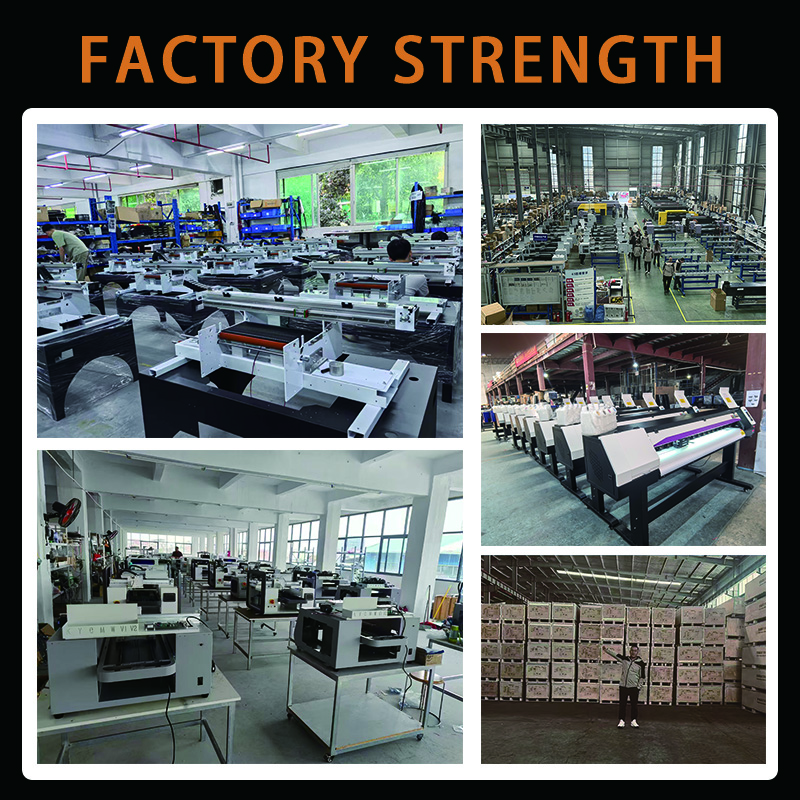
• Serviceable industrial build — circulation for white ink, accessible capping station, standard consumables.
How Direct Jet Printing Works
"Direct jet" describes the ink path, and the difference is easy to see on the shop floor:
1. The file goes through the RIP, which builds the color separation and the white/varnish layers for your substrate.
2. The printhead carriage jets UV ink straight onto the object or sheet held on the vacuum platform — no intermediate medium.
3. The UV LED lamp mounted beside the carriage cures each pass instantly, so the ink cannot spread or soak in.
4. The finished piece comes off the table dry, ready to pack, press or assemble.
Because the ink lands on the surface and cures immediately, a direct jet UV printer reproduces fine text, gradients and photographic images on materials that screen printing and pad printing struggle with — short runs, multi-color artwork and one-off personalization in particular.
Key Features
1. Direct Printing on Flat, Roll and Round Work
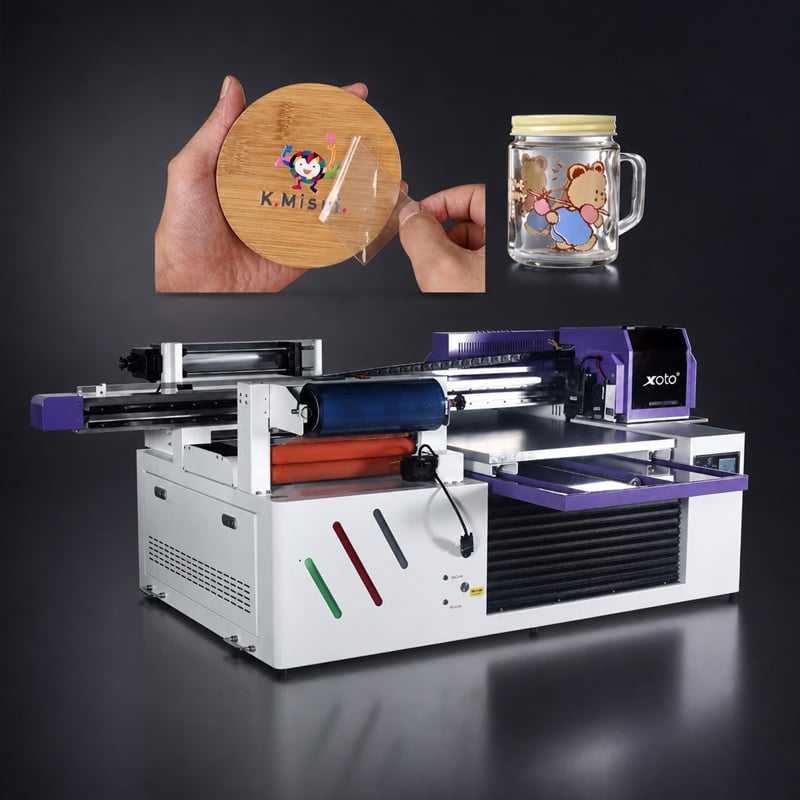
The same direct jet UV printer runs three workflows. Rigid sheets sit on the vacuum table; roll film threads through the rear module for stickers, labels and apparel transfer; and the rotary attachment turns cylinders — bottles, tumblers, tubes, jars — under the head. Instead of buying a flatbed and a roll machine and a pad printer, one unit covers the product range, which is usually the difference between quoting a mixed order and declining it.
2. UV LED Curing: Dry On Exit
UV ink cured by LED is dry the moment it leaves the lamp, so there is no drying rack, no solvent smell and no overnight wait. For a direct jet UV printer doing same-day work, that changes the promise you can make to customers: print in the morning, pack in the afternoon, ship the same day.
3. White Ink and Varnish On Demand
White ink lays an opaque base on dark, metallic or transparent substrates so the design keeps its intended color instead of turning muddy. A varnish channel adds spot gloss or a matte-versus-gloss contrast without a second lamination step — the finish that makes gift boxes, cosmetic packaging and phone cases look retail-ready.
4. Adjustable Head Clearance for 3D Objects
Direct jet printing on three-dimensional items depends on getting the head close enough for sharp dots without touching the product. Head height is adjustable and the platform is fixed, so helmet shells, ball panels, molded housings and boxed sets print with consistent distance — the practical reason this machine can be sold as a direct-to-object printer rather than a sheet-only flatbed.
5. Vacuum Table and Precise Media Placement
A vacuum zone holds thin film and small parts flat so nothing lifts into the head path, and the platform is laid out so an operator can position nested jobs quickly and repeatably. On a direct jet UV printer, a lifted corner is not a cosmetic defect — it is a head strike, so hold-down is a production feature, not an accessory.
6. Ink System Built for Uptime
White ink is the usual failure point on any UV machine. Circulation and agitation keep pigment in suspension, the capping station seals nozzles between jobs, and daily maintenance is a short, documented routine an operator can finish before the first print of the day.
7. Standard RIP, No Proprietary Lock-In
Jobs arrive as TIFF, JPEG or PDF and are processed through a standard RIP with ICC profiles, nesting, step-and-repeat and variable-data support. Your existing files and color targets carry over, which shortens training and lowers the cost of adding a direct jet UV printer to a production floor that already runs UV equipment.
About us
What You Can Produce with This Direct Jet UV Printer
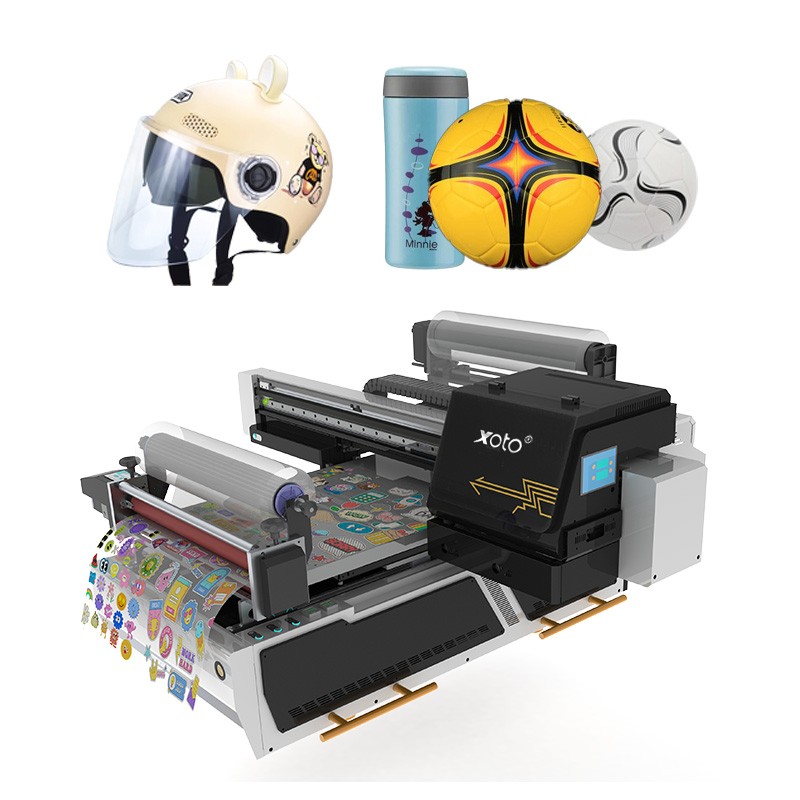
Helmet shells, thermos bodies and sports balls — direct-to-object work on the same platform, plus roll film through the rear module.
| Industry | Typical products | Why this direct jet UV printer fits |
| Phone & device accessories | Phone cases, earbud cases, power banks, tablet covers | Small parts nested on 600 x 900 mm; white base on clear TPU/PC |
| Promotional gifts & premiums | Keychains, badges, pens, lighters, USB drives, magnets | Batch runs with variable data, no plate cost per design |
| Signage & display | Acrylic panels, PVC foam board, glass, metal composite | Rigid capacity up to full 600 x 900 mm sheets |
| Packaging & gift boxes | Rigid boxes, cosmetic cartons, tea tins, folding cartons | White plus varnish for opaque color and spot-gloss accents |
| Headwear & sports goods | Helmet shells, sports balls, protective gear | Direct-to-object printing with adjustable head clearance |
| Drinkware & cylinders | Bottles, tumblers, tubes, jars, candle vessels | Rotary attachment prints around the circumference |
| Apparel decoration | T-shirts, hoodies, tote bags via transfer film | Roll module prints transfer film, then heat press |
Cylindrical and 3D Objects: Where Direct Jet Wins
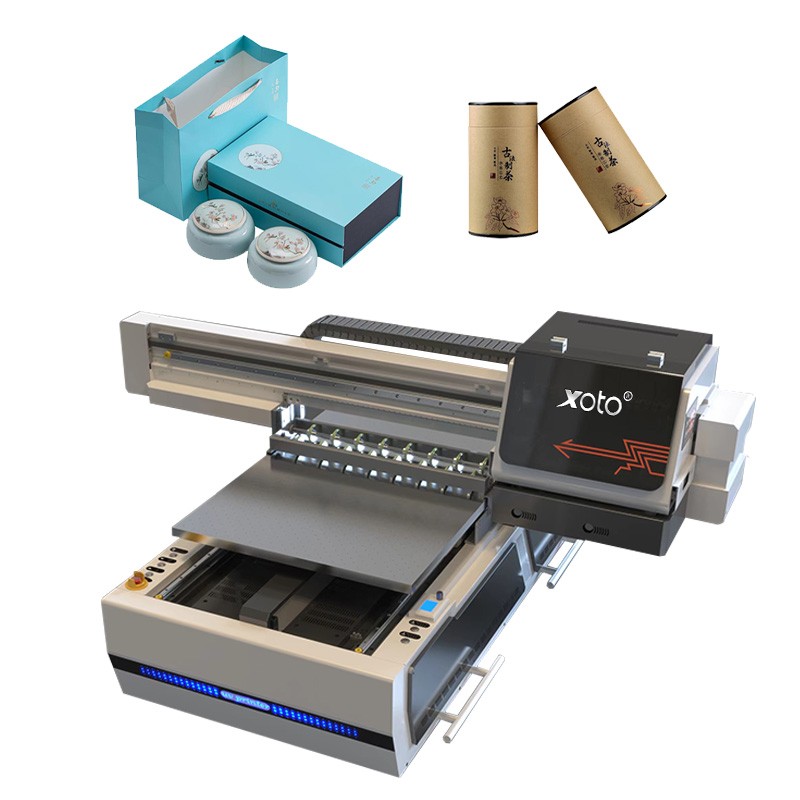
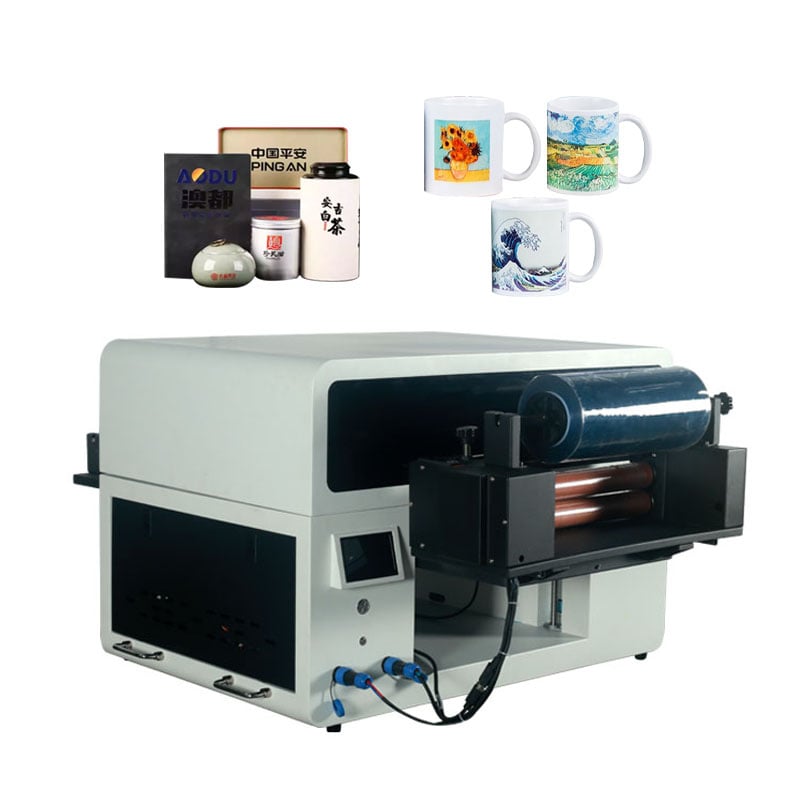
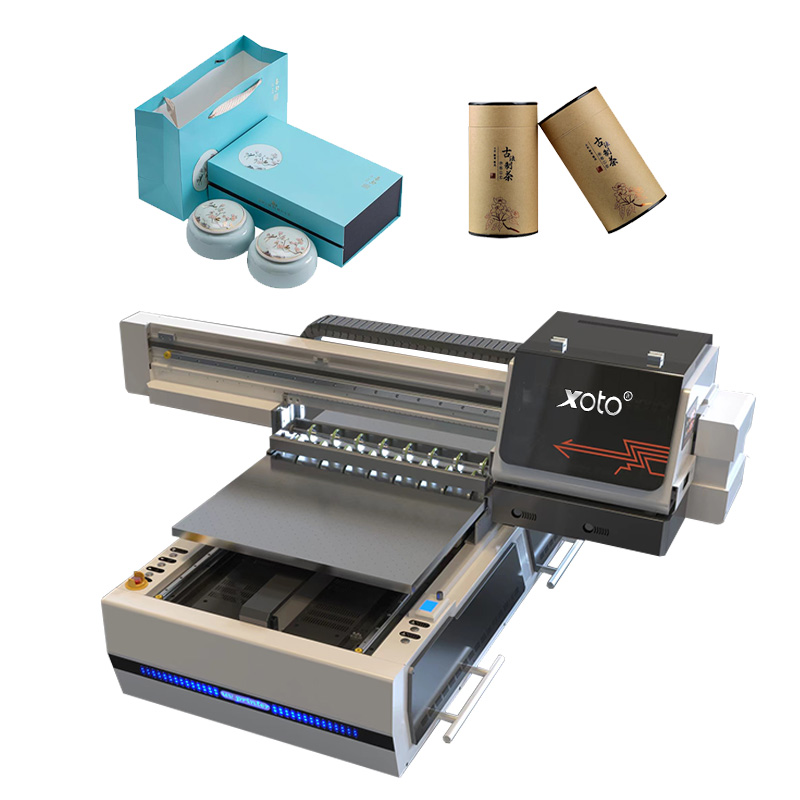
Cylindrical tubes, ceramic jars and gift boxes printed directly, with no label or sleeve to apply.
Labels and sleeves are a workaround; direct jet printing is the alternative. Bottles, tumbler bodies, tea tubes, cosmetic jars and candle vessels can be printed around their circumference and handled the same hour, with no adhesive, no liner and no inventory of pre-printed stock. For private-label buyers this means short runs, quick design changes and no minimum order for a film or a sleeve.
Apparel and Transfer Film on the Same Machine
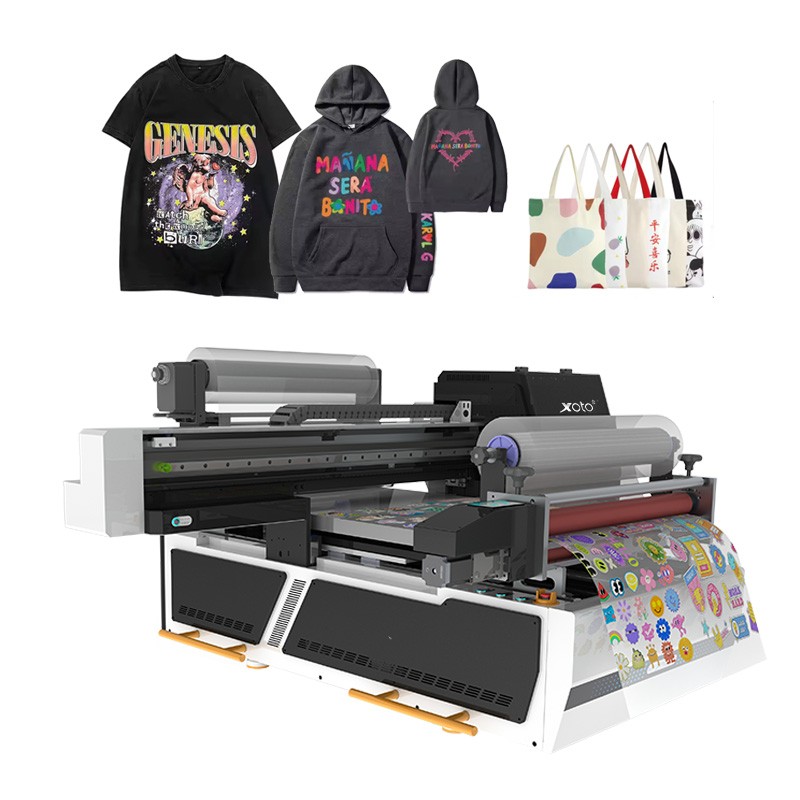
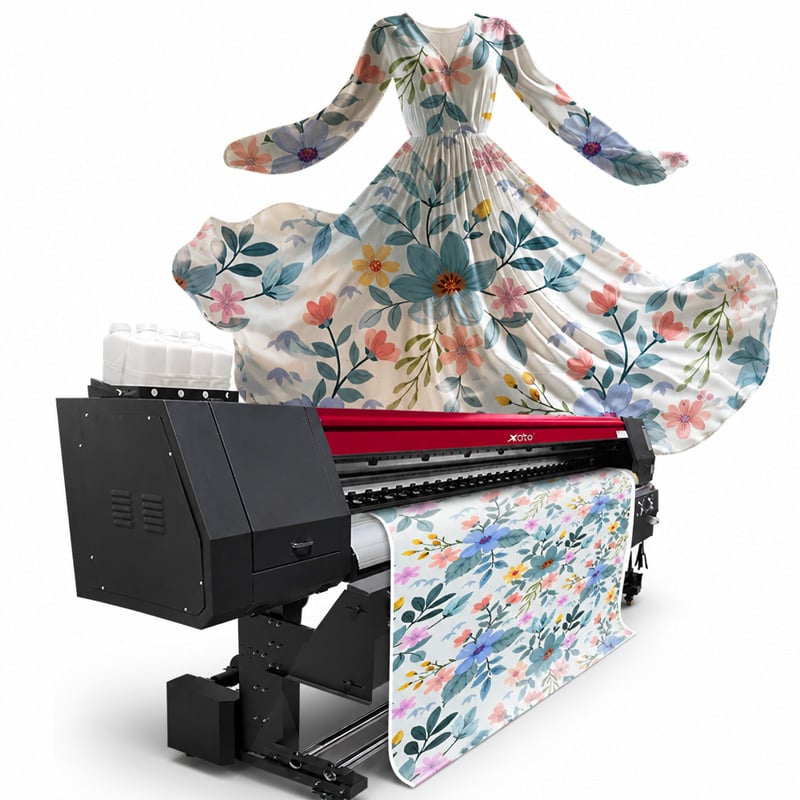
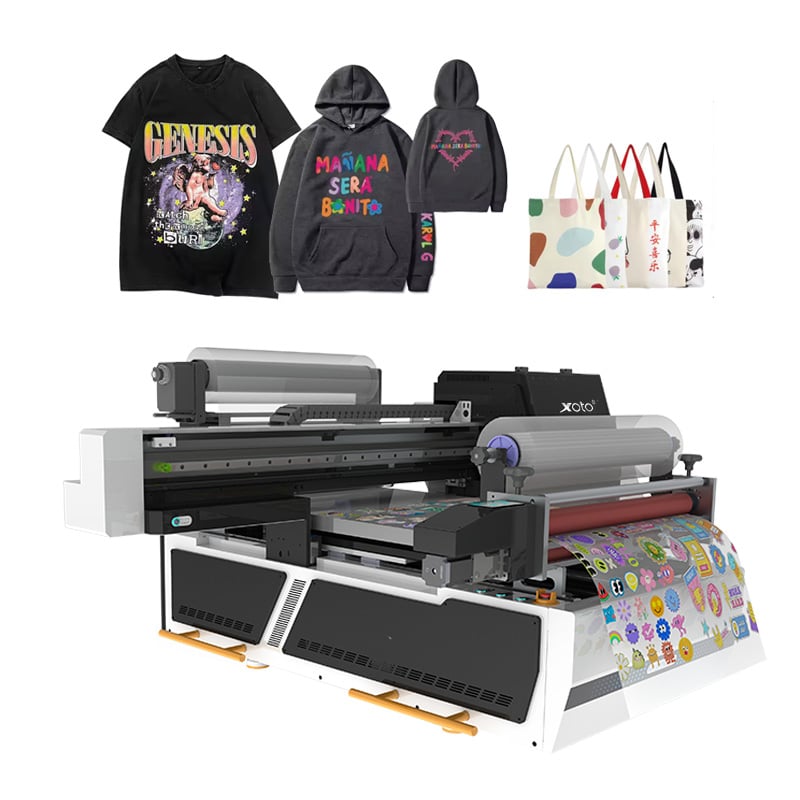
Transfer film printed on the roll module, then heat-pressed onto cotton tees, hoodies and tote bags.
With the roll module fitted, the XT-6090Ultra produces transfer film for cotton and blended garments: print the film, cut it, press it. A single direct jet UV printer then covers hard goods, packaging and apparel decoration, which is the configuration most custom-merchandise shops choose — mixed orders stay profitable instead of being split across three processes.
Product Application
-
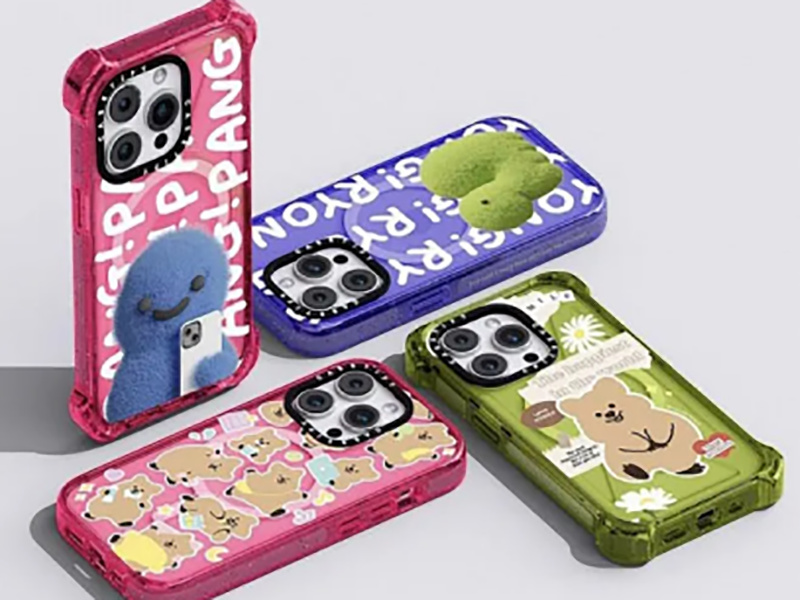
Phone Cases
-
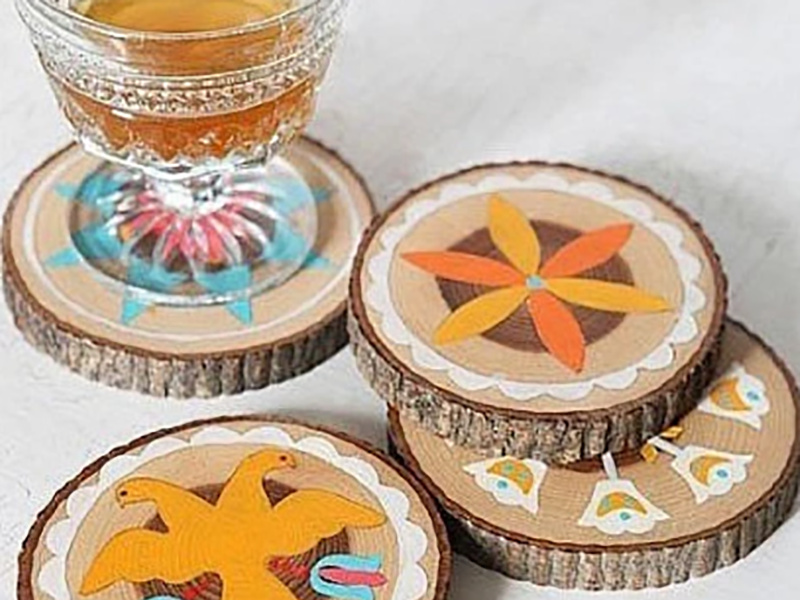
Wooden Cup Holders
-
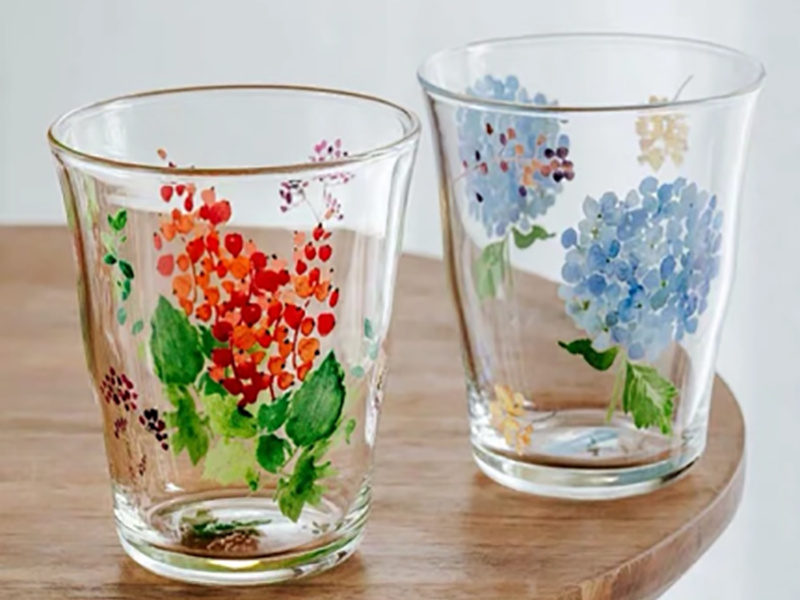
Glass Cups
-
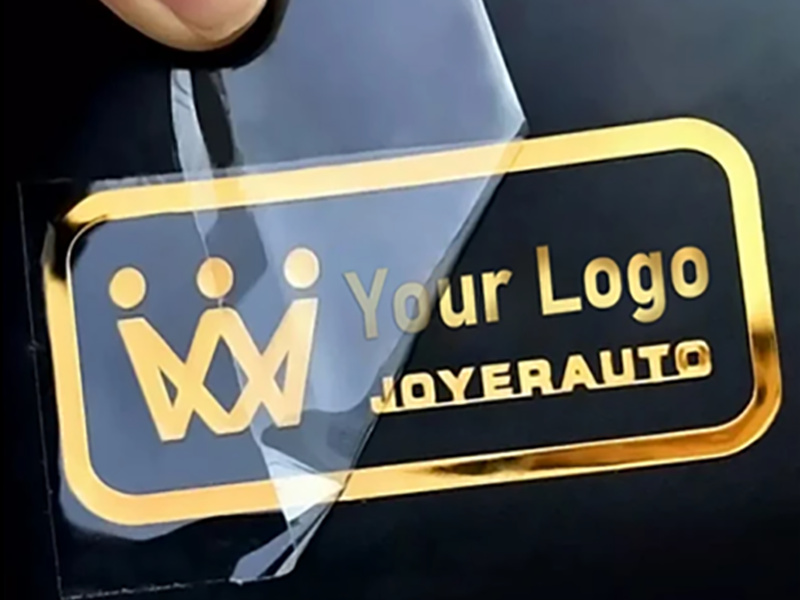
Metal Nameplates
-
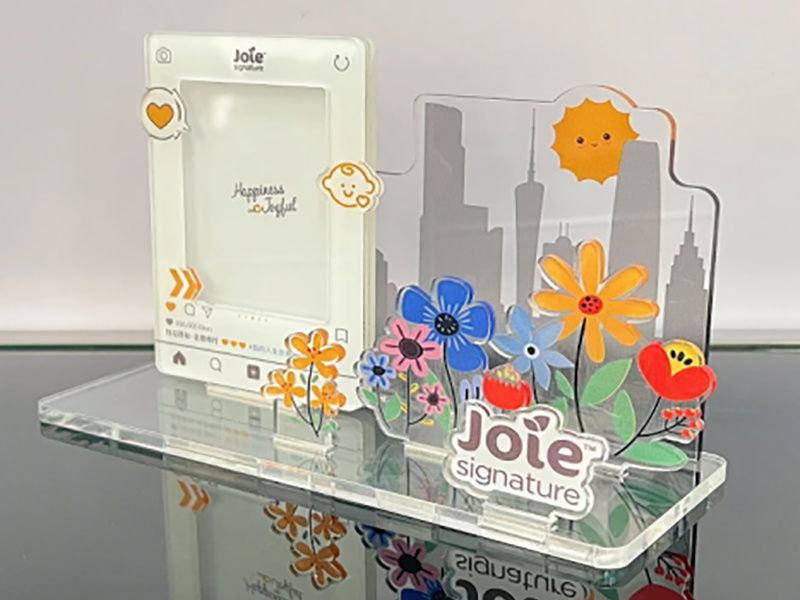
Acrylic Display Boards
-

Decorative Paintings
-
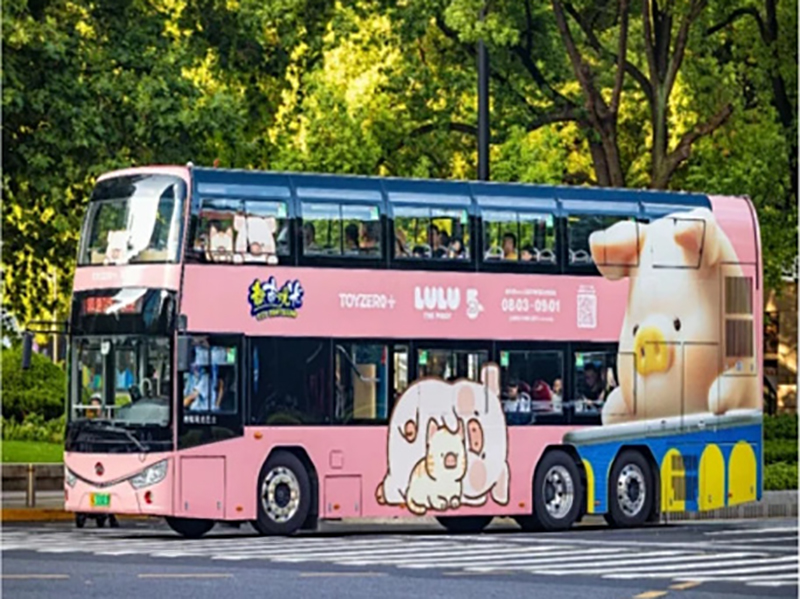
Car Stickers
-
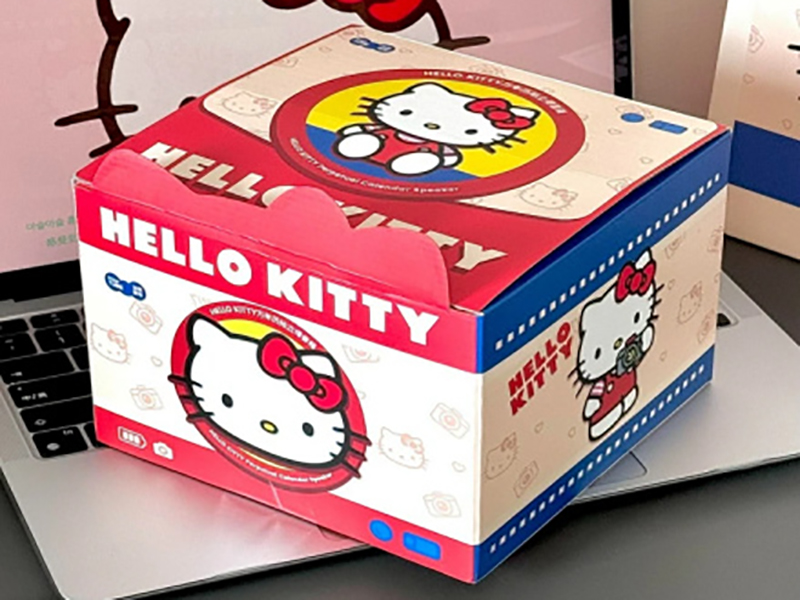
Gift Boxes
-
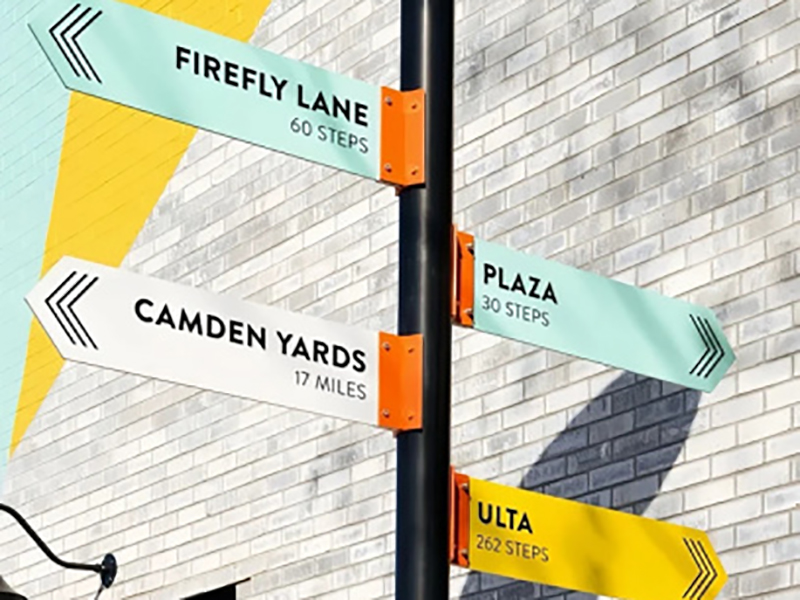
Road Signs
Specifications
| Item | Specification |
| Model | XOTO XT-6090Ultra |
| Machine type | Industrial-grade UV direct jet printer (flatbed + roll + rotary) |
| Print area | 600 x 900 mm (approx. 23.6 x 35.4 in) |
| Print modes | Flatbed for rigid media ` roll module for film and labels ` rotary for cylinders |
| Media handling | Rigid boards, sheet material, roll film, cylindrical and 3D objects; adjustable head clearance |
| Ink | UV-curable ink; CMYK + White + Varnish (final configuration depends on printhead setup) |
| Curing | UV LED, instant cure — output dry and stackable |
| File input | TIFF / JPEG / PDF via standard RIP software (ICC profiles, nesting, variable data) |
| Power supply | Confirm the requirement for your region before ordering |
| Warranty | Terms confirmed in the sales contract |
Service and Support
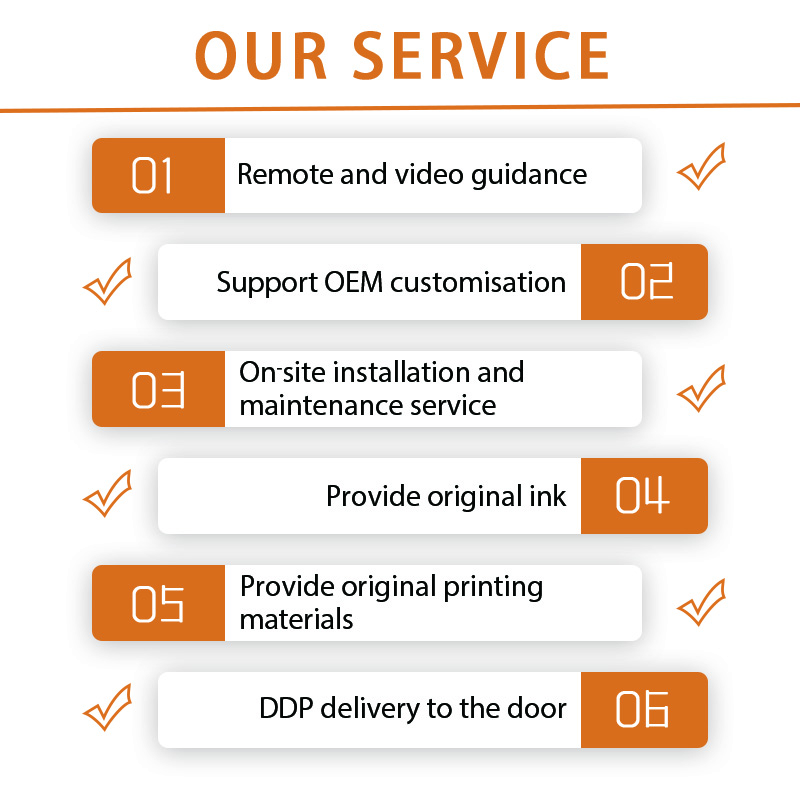
• Pre-sales sample printing — send your file and substrate, we print it before you order.
• Remote installation guidance, English manual and video walkthroughs.
• Operator training covering daily maintenance, ink handling, rotary setup and RIP profiles.
• Consumables and spare parts supply with a documented maintenance schedule.
• Technical support by email and messaging apps during your working hours.
FAQ
1. What is a direct jet UV printer?
A: A direct jet UV printer jets UV-curable ink straight from the printhead onto the substrate and cures it instantly with a UV LED lamp. There is no screen, plate, transfer paper or lamination step, so artwork changes cost nothing and short runs stay economical. Because the ink sits on the surface instead of soaking in, it also prints on non-porous materials such as glass, metal, acrylic and coated plastic.
2. How is direct jet printing different from screen printing or pad printing?
A: Screen and pad printing need a screen or a pad per color per design, plus setup time and a minimum run to be worth it. A direct jet UV printer is digital: every job is a file, so 20 pieces and 200 pieces cost the same per piece to set up. Screen printing still wins on very long runs and on some textiles, but for short runs, multi-color artwork, gradients and personalization, direct jet is the faster route.
3. What can the XOTO XT-6090Ultra direct jet UV printer print on?
A: Rigid and flexible substrates including acrylic, PC, ABS, PVC foam board, glass, ceramic tile, coated metal, wood, MDF, leather, PU, canvas, PET/PVC film, sticker film, transfer film and molded parts. With the rotary attachment it also prints on bottles, tubes, jars and other cylindrical items, and with adjustable head clearance it handles raised 3D objects such as helmet shells and sports balls.
4. What is the print area of this direct jet UV printer?
A: The platform is 600 x 900 mm (about 23.6 x 35.4 in). That is dozens of phone cases nested in one run, one full A2+ signage panel, or a mixed sheet of small parts. Nested layouts are built in the RIP, so different products can share one sheet as long as the media and ink coverage allow it.
5. Can it print on curved or cylindrical objects?
A: Yes. Fit the rotary attachment and the machine prints around bottles, tumblers, tea tubes, cosmetic jars and candle vessels. For curved but non-cylindrical items such as helmet shells, the head clearance is adjusted and the object is held on the platform. Both cases avoid the label, sleeve or pad-printing workaround.
6. Does it print white ink and varnish?
A: Yes — CMYK plus white and varnish, subject to the printhead setup you order. White creates an opaque base on dark, metallic or transparent materials so colors read correctly, and varnish adds spot gloss or a matte-versus-gloss contrast. Both are printed in the same pass as the color layer.
7. Do UV-printed objects need pre-treatment?
A: For most coated, plastic, glass, metal and wood surfaces, no — UV ink bonds directly. Very low-surface-energy plastics, some silicone-based coatings and heavily textured surfaces may need a primer or a flame/plasma treatment for the best adhesion. Send us the exact material and we will test it before you commit to a production run.
8. How durable is the print on a 3D object?
A: Cured UV ink is hard, water-resistant and abrasion-resistant enough for everyday handling, and it holds up on drinkware, cases and packaging. For parts that see heavy friction or repeated washing, an additional clear varnish layer raises durability. We recommend testing the exact use case on a sample before production.
9. What maintenance does a direct jet UV printer need?
A: A short daily routine: nozzle check, capping station check, wipe of the head surface and an ink level check. White ink needs circulation and periodic agitation, which the machine handles automatically. Weekly and monthly items follow a documented schedule, and standard consumables such as wipers, caps and filters are stocked as spare parts.
10. Is a direct jet UV printer suitable for small-batch custom orders?
A: That is exactly the use case. There is no plate or screen, so there is no minimum run — a shop can print 20 customized gift boxes in the morning and 200 phone cases in the afternoon on the same machine, changing only the file and the nesting layout. One-offs and design iterations stay profitable.
11. How do I get a price and lead time for the XOTO XT-6090Ultra direct jet UV printer?
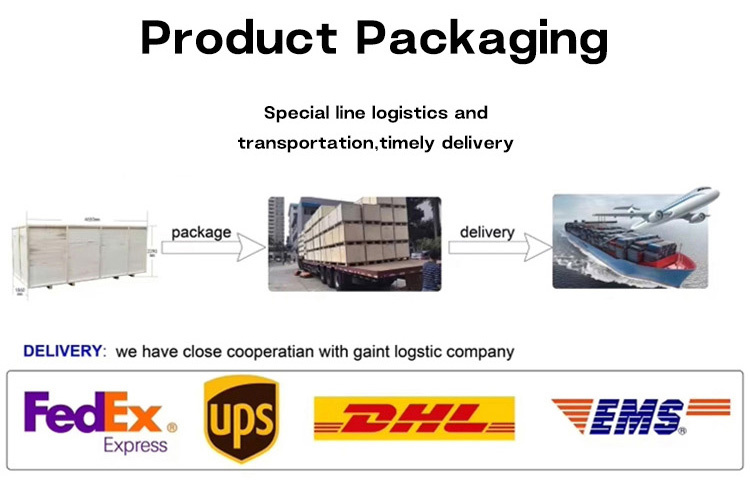
A: Send your product list, the materials you plan to print on, the largest object dimensions, your expected daily volume and your destination country. We will confirm the right configuration (printhead setup, roll module, rotary attachment), quote the price and give you lead time and shipping options. Request a free sample print if you want proof first.
12. Do you provide training and after-sales support?
A: Yes. Delivery includes remote installation guidance, an English manual with video walkthroughs, and operator training covering daily maintenance, ink handling, rotary setup and RIP profiles. Technical support runs by email and messaging apps, and consumables and spare parts are available as ongoing supply.
Request a Quote for the XOTO XT-6090Ultra Direct Jet UV Printer
Tell us what you want to print and on which material, and we will confirm the configuration, price and lead time — plus a free sample printed on this direct jet UV printer if you want to see the quality before deciding.