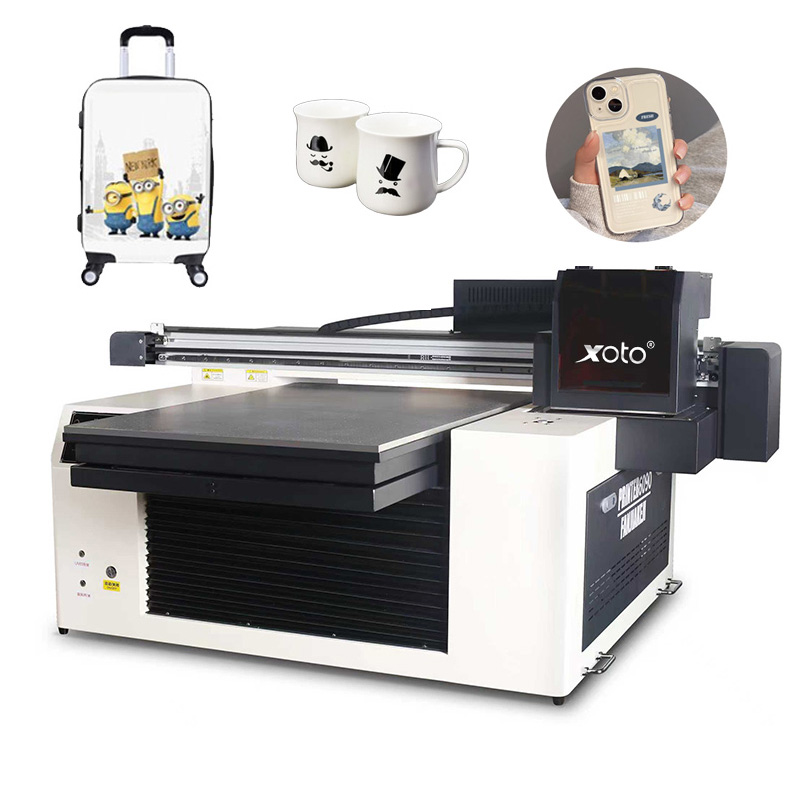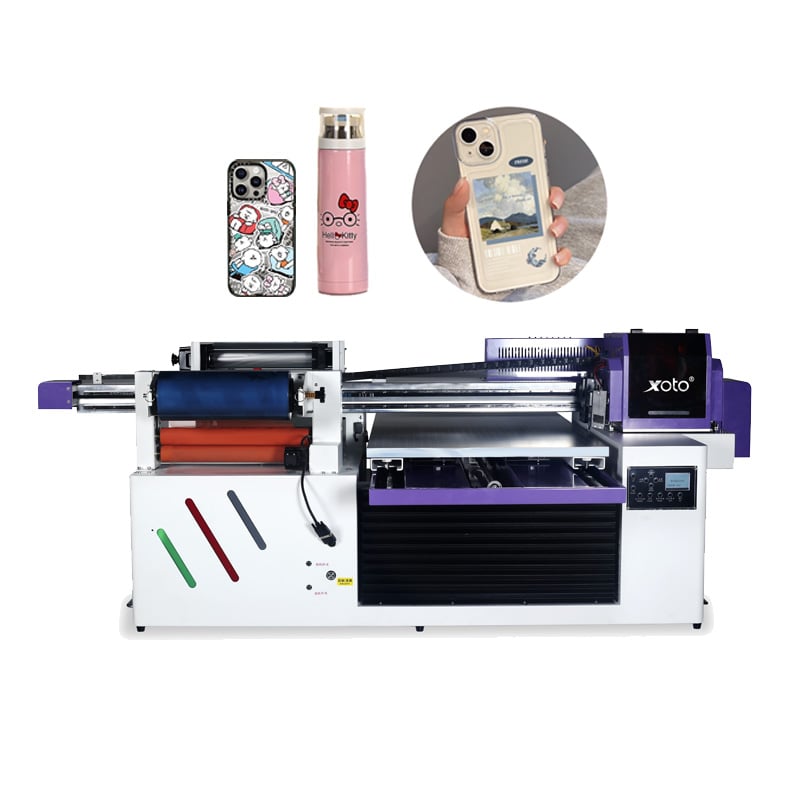

XT-6090Ultra UV Printing Machine 6090 Size i3200 Printhead 3D Varnish Emboss Digital Printer
- Overview
- Product Display
- Product Parameter
- Product Details
- Product Application
- SIMPLE OPERATION
- ABOUT US
- FAQ
- Recommended Products
Parameters
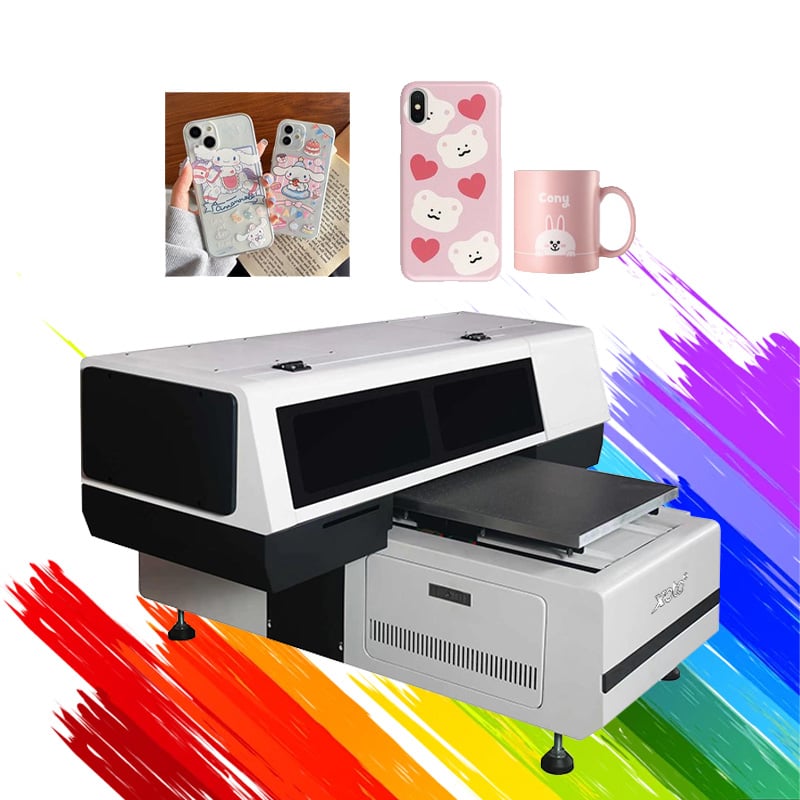
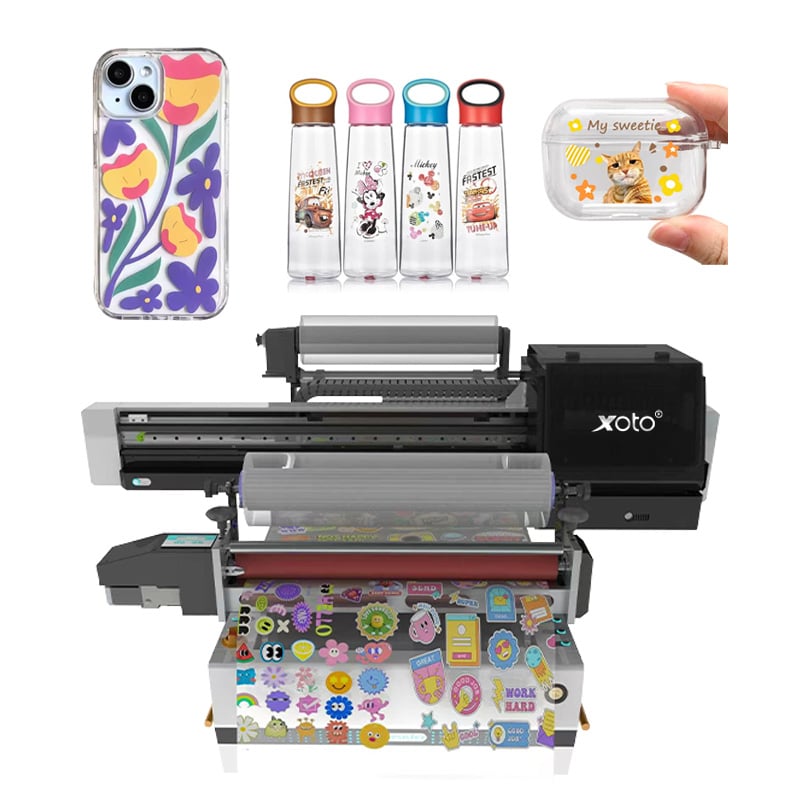
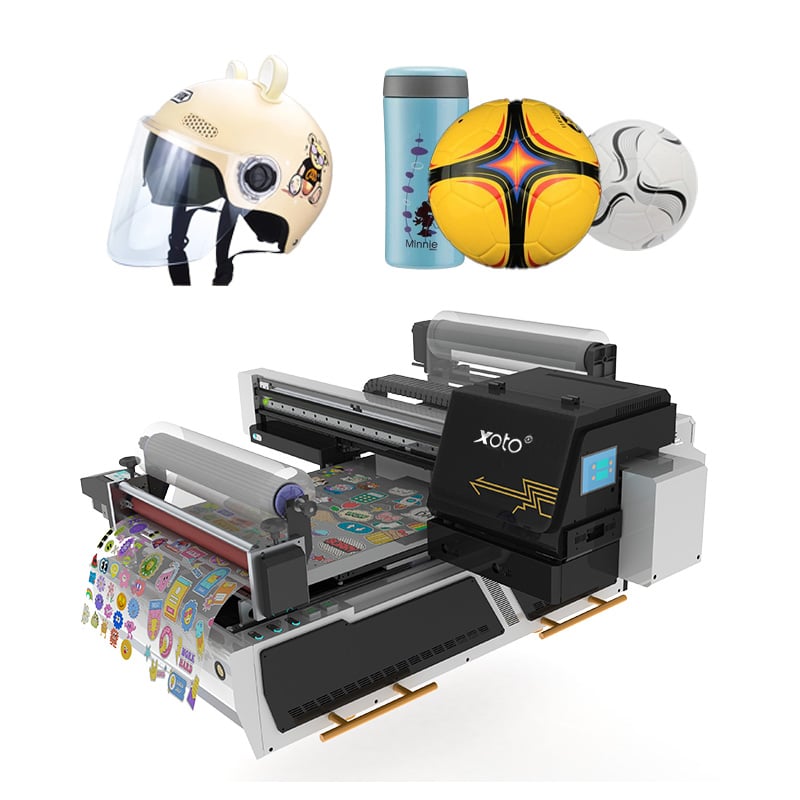
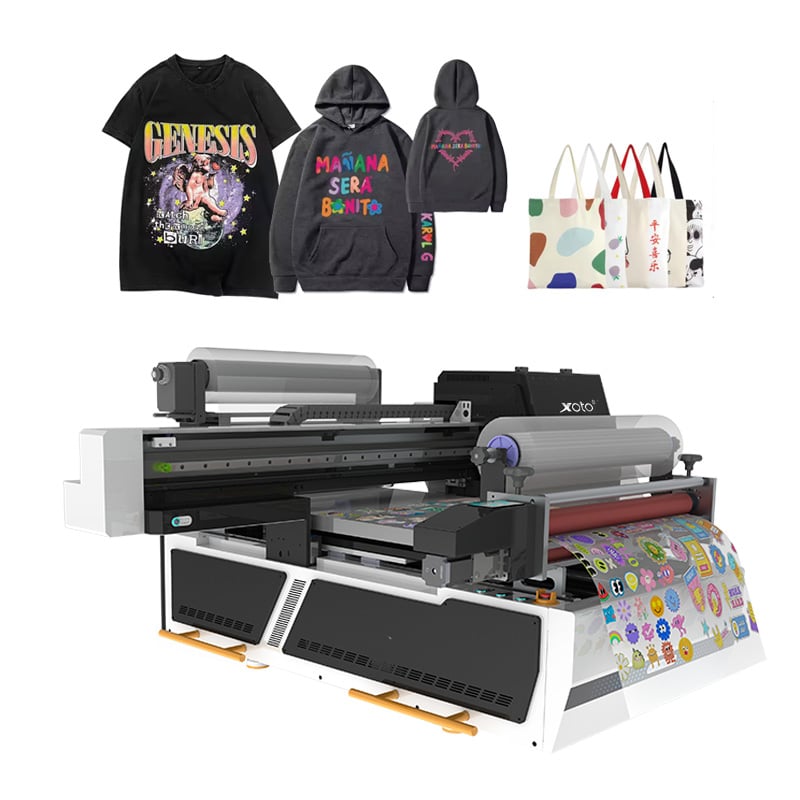
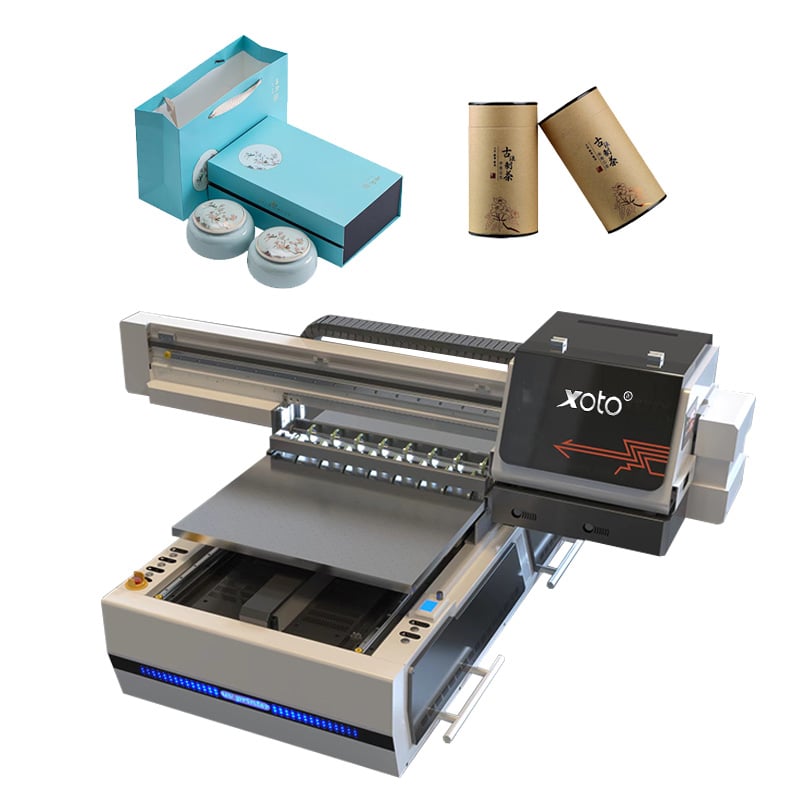
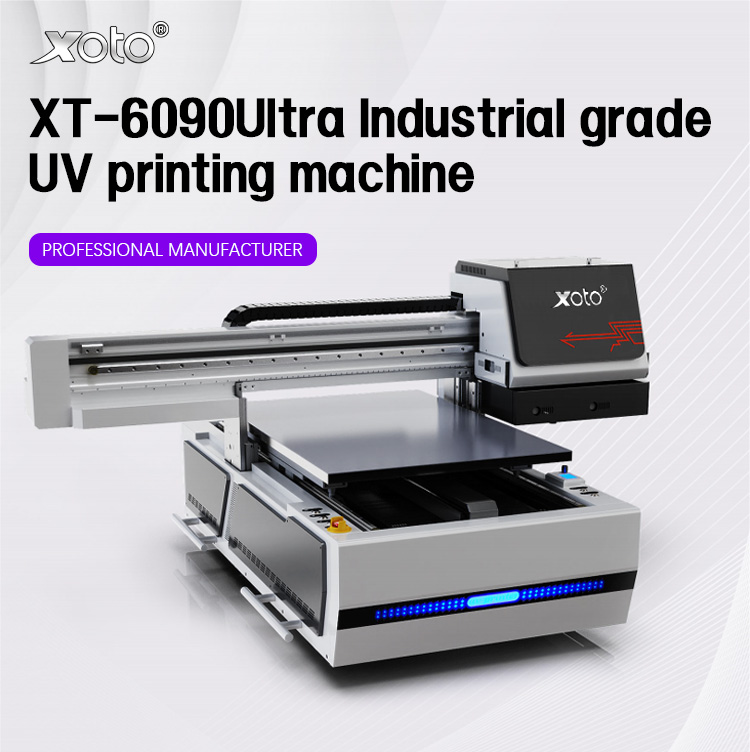
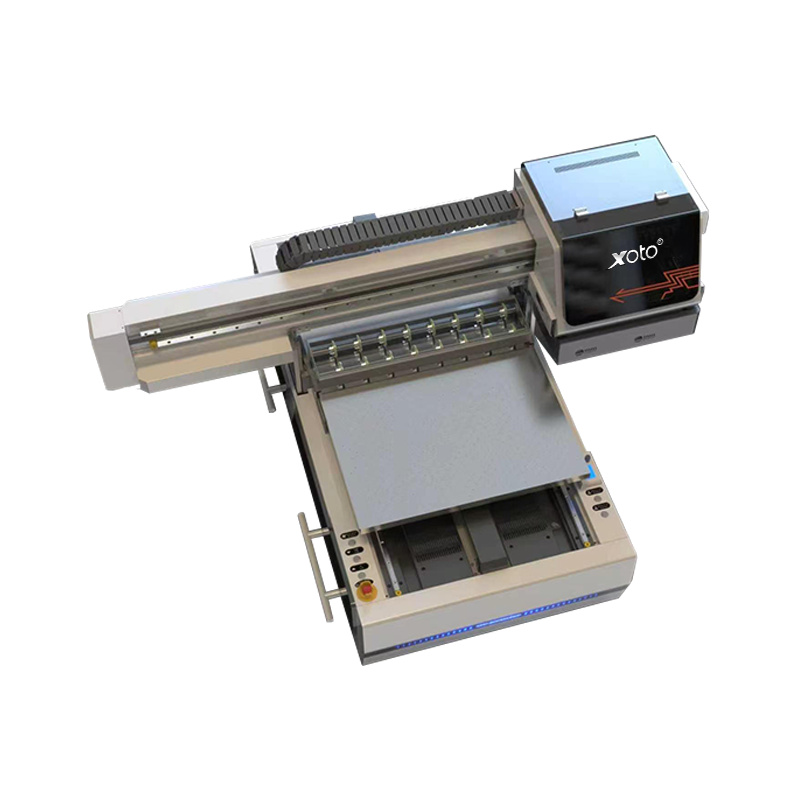
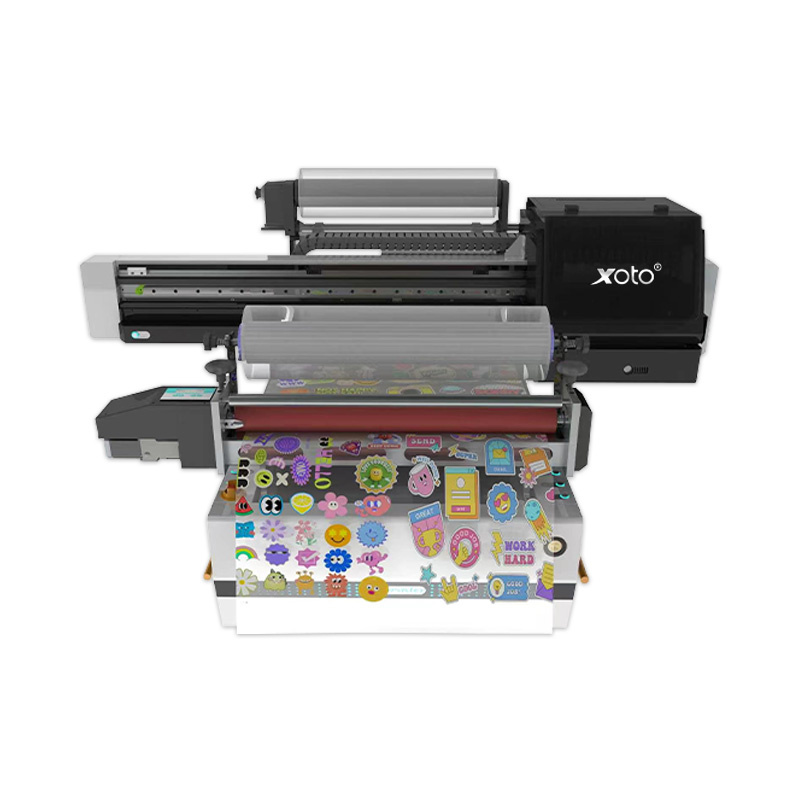
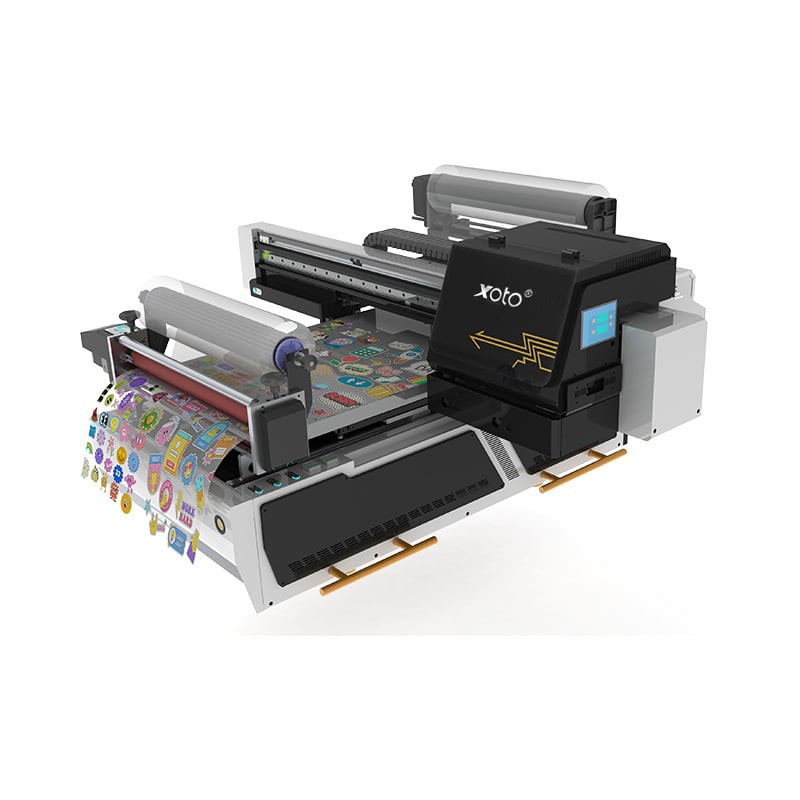
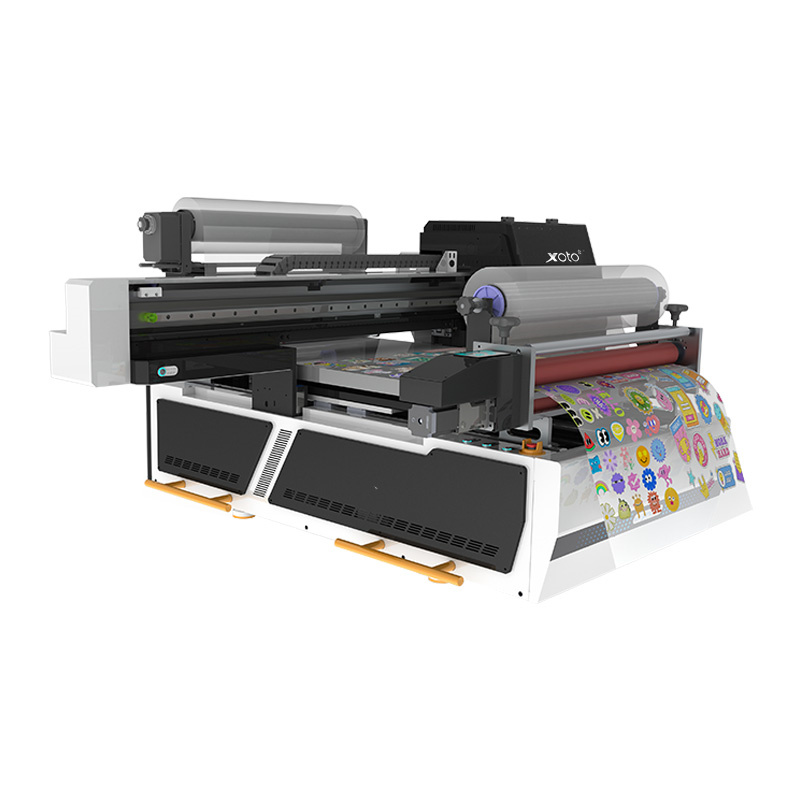
The XT-6090Ultra is a plate-free full-color industrial digital printer that meets industrial printing standards, ideal for businesses requiring versatile, high-volume custom direct-to-object printing.
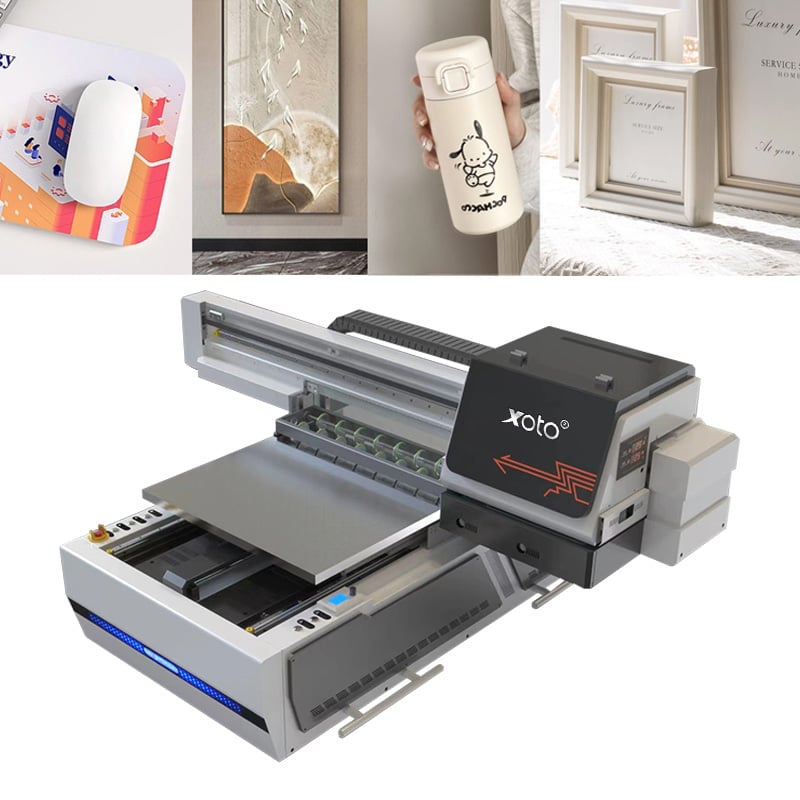
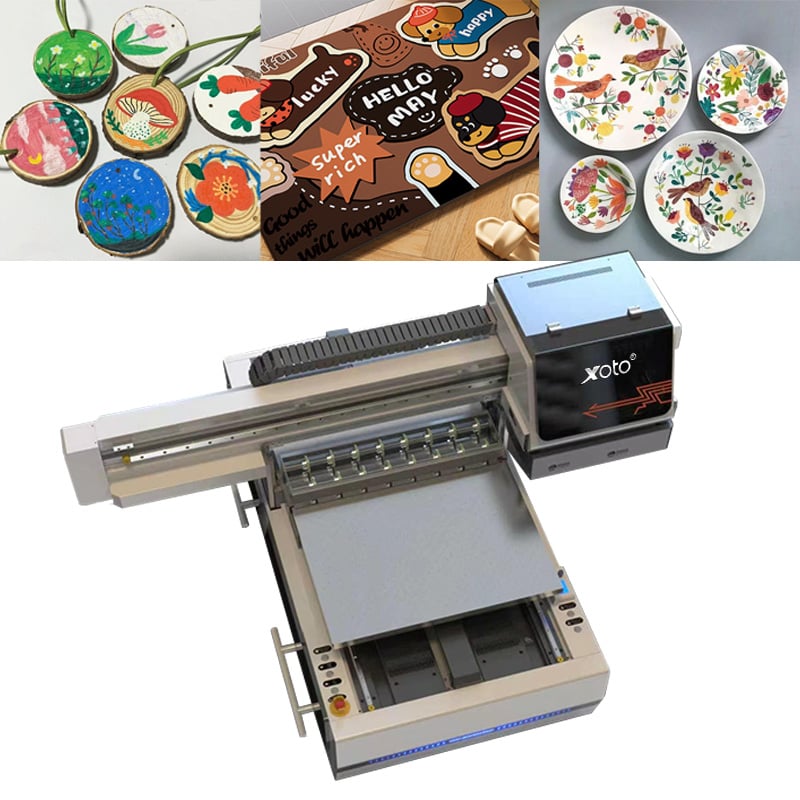
Equipped with a 600×900mm worktable, Epson i3200 industrial printheads, and an independent white ink circulation system, it enables one-step printing without plate making. It delivers vivid photorealistic colors, opaque white underlayers, and embossed 3D varnish effects on all rigid and semi-rigid materials up to 150mm thick, including T-shirts, doors, glass, panels, signs, crystal, PVC, acrylic, metal, plastic, stone, and leather.
Printed images produced by this machine are wear-resistant and UV-resistant, while the device itself is easy to operate and delivers fast output. Perfect for gift stores, advertising factories, decoration studios, and small-batch packaging workshops, it saves setup and plate-making costs and makes every customized product profitable.
Product Display
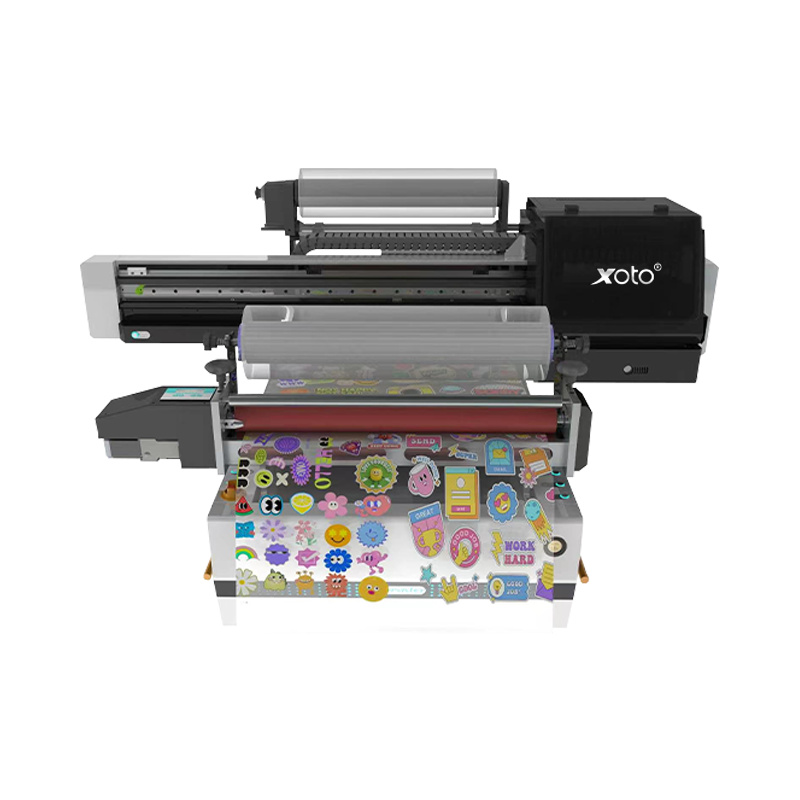
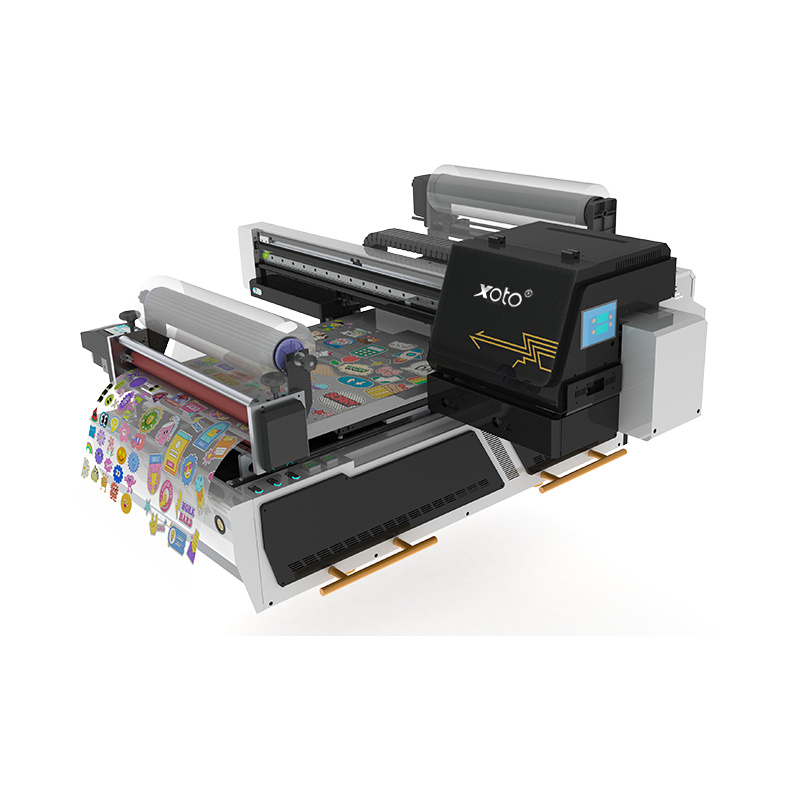
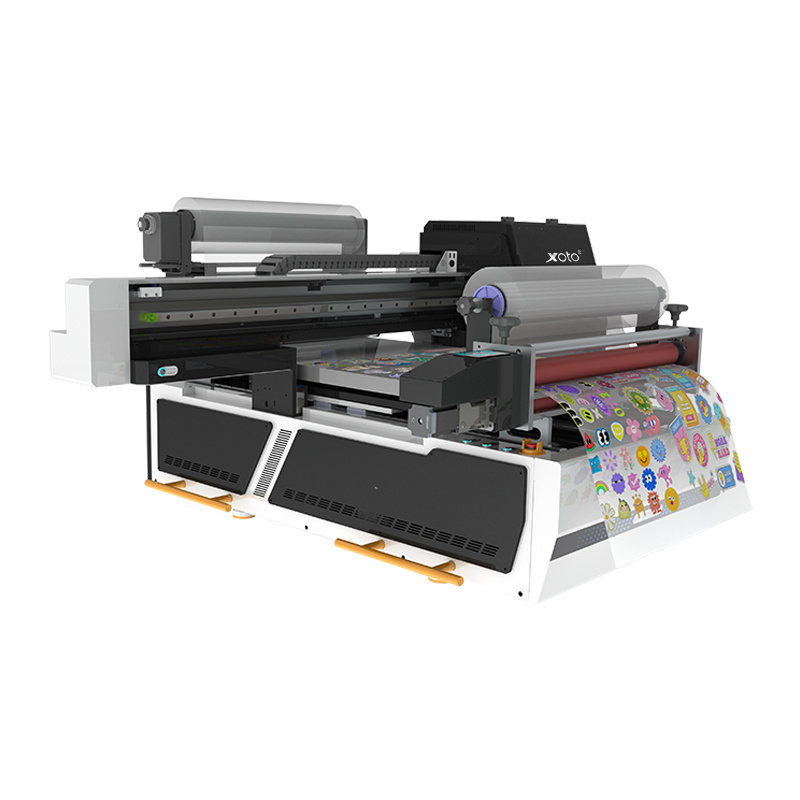
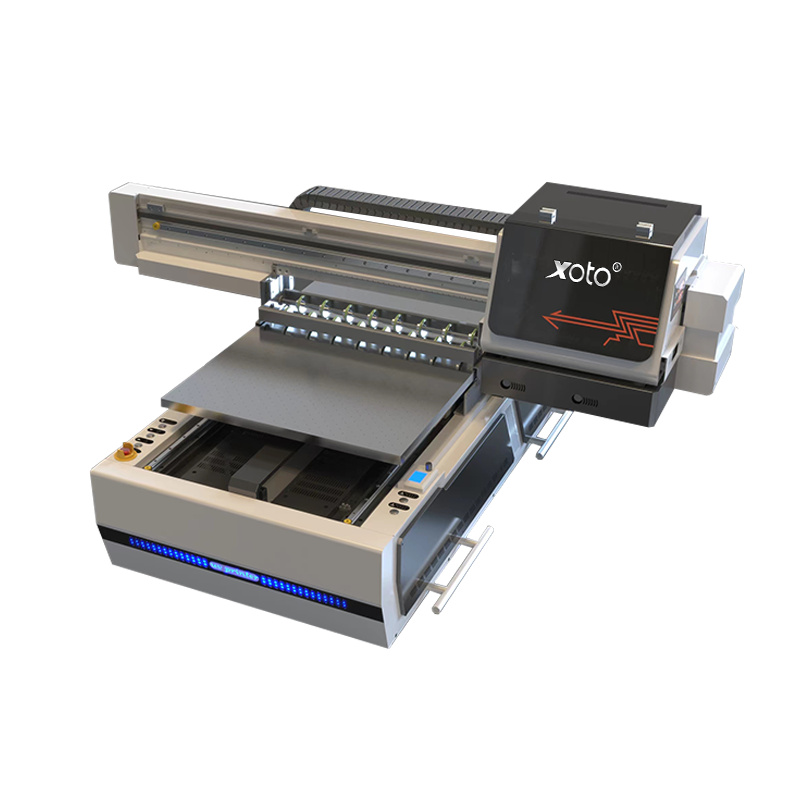
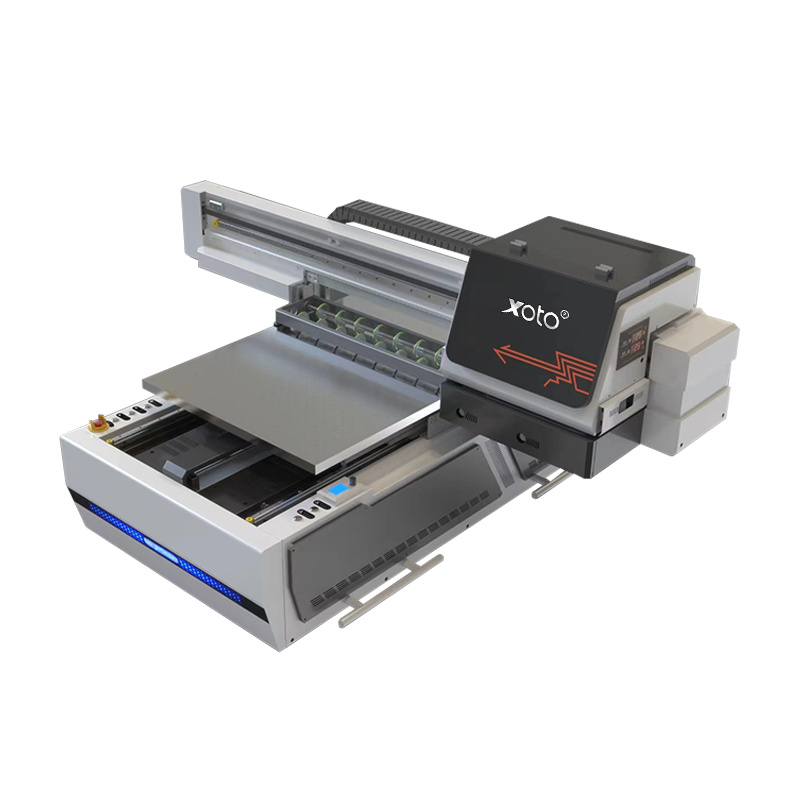
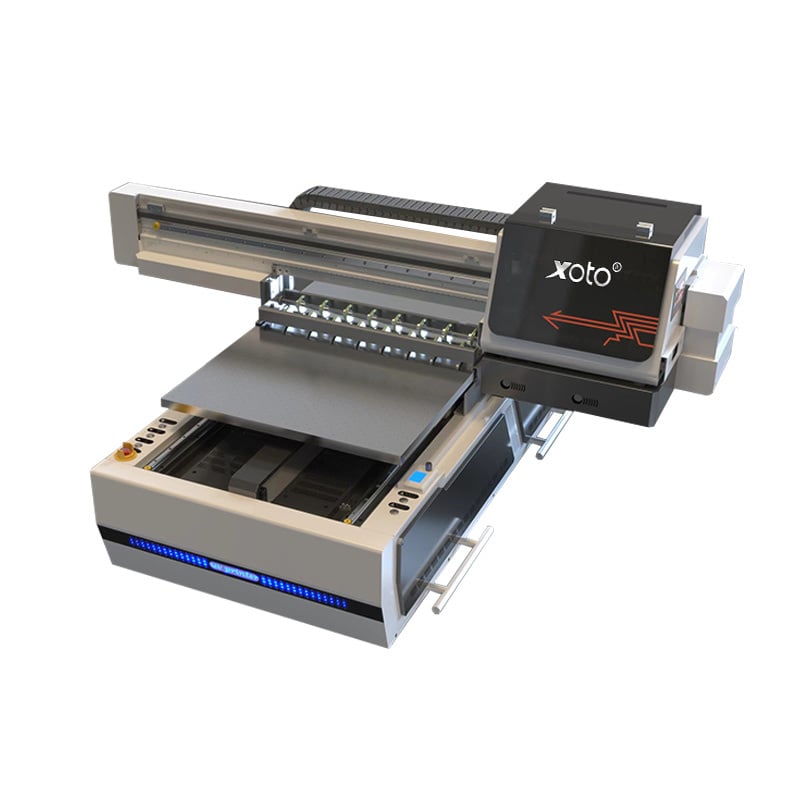
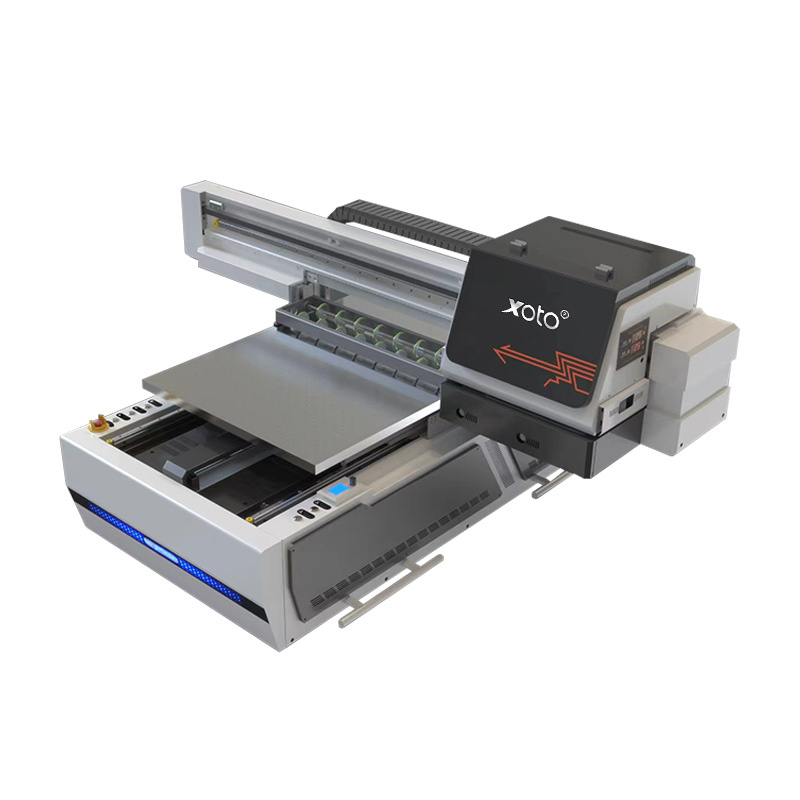
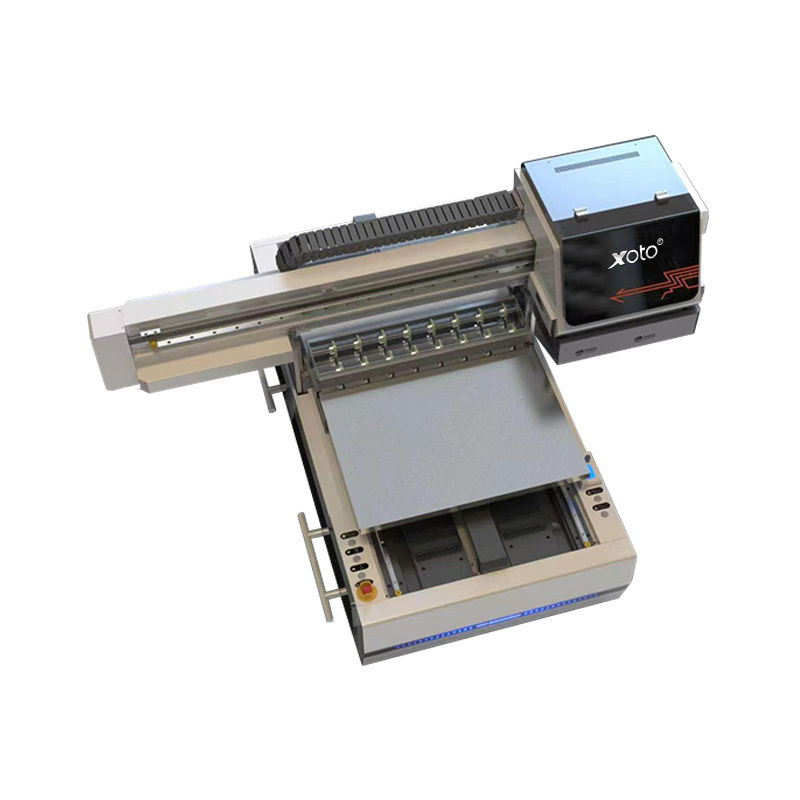
It features immediate spraying and drying, and delivers excellent printing fastness. Reliable technical guarantees have been achieved for key technical challenges including nozzle control, weak solvent ink printing control, color curing strength, and medium transmission accuracy.
Compared with traditional offset printing, UV printing boasts bright color output, compatibility with specialized printing materials, and enables novel end products, giving it broad market prospects. It is suitable for product and technical fields such as high-end business card packaging, high-end commercial brochures, printing on special media, custom desk calendars, and specialty label printing.
The UV curing process ensures a thinner cured film layer with excellent performance, which reduces raw material consumption and helps cut overall production costs.
Product Parameter
| Model | XT-6090Ultra | Name | 6090UV printer |
| Printing head | Epson XP600, i3200, Ricoh,G5I (optional) | Print size | 600*900mm |
| Output color | CMYK+W+varnish | Printing height | 0-200mm |
| Printing accuracy | Printable images with a resolution of 720/1440/2880/5760dpi | Number of prin heads | 2~3 |
| Antifreeze | Optional additional purchase | Printing Technology | Variable Ink Drop Technology |
| Anti blocking | Flash spray anti blocking,automatic mixing | Collision avoidance | Automatic collision avoidance |
| Clean | Automatic/manual cleaning | Printing platform | High load-bearing suction platform |
| Litting function | Head lifting and lowering | Printing direction | One Way/Two Way |
| Height adjustment | Manual adjustment | Special effect | relief/varnish |
| Inkjet technology | Micro piezoelectric inkjet | Ink level detection | Multichannel real-time ink shortage alarm |
| Cylinder | Supports printing | Ink type | UV ink |
| Printing speed | General mode (a4 photos in 59 seconds)Standard mode (a4 photos in 2 minutes)High quality mode (a photos in 4 minutes) | Guide rail | Imported silent guide rail 2.0 |
| Power | High-precision servo motor | Transmission | XY axis guide rail+motor |
| Software | Ruiyin/Montai | Automatic mode | Fully automatic repeated printing |
| Ink supply | Fully automatic ink supply | Curing method | UV, UV curing, instant drying |
| Data | High-speed USB or gigabit network card | Dynamic printing | Automatically change code/name/date,etc. (optional) |
| Power | AC220/110 50Hz~60Hz | Environmental | Temperature 15-35,humidity 20-30% |
| file format | jpg, png, pdf, tif, eps,etc | Operating System | Win7,8, 10 |
| Weight | About 140kg | Equipment size | 1.7*1.37*0.76m |
| Printing materials | Can be used in T-shirt, sliding door, cabinet door, Sliding door, glass, plate, various signscrystal, PVC, acrylic, metal Color photo printing on surfaces such as plastic, stone, leather, etc | ||
Product Details
-
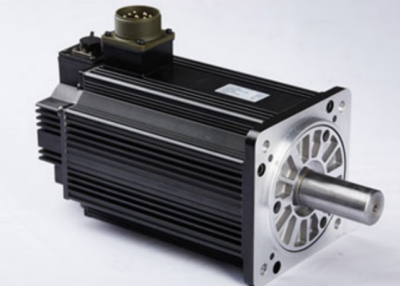
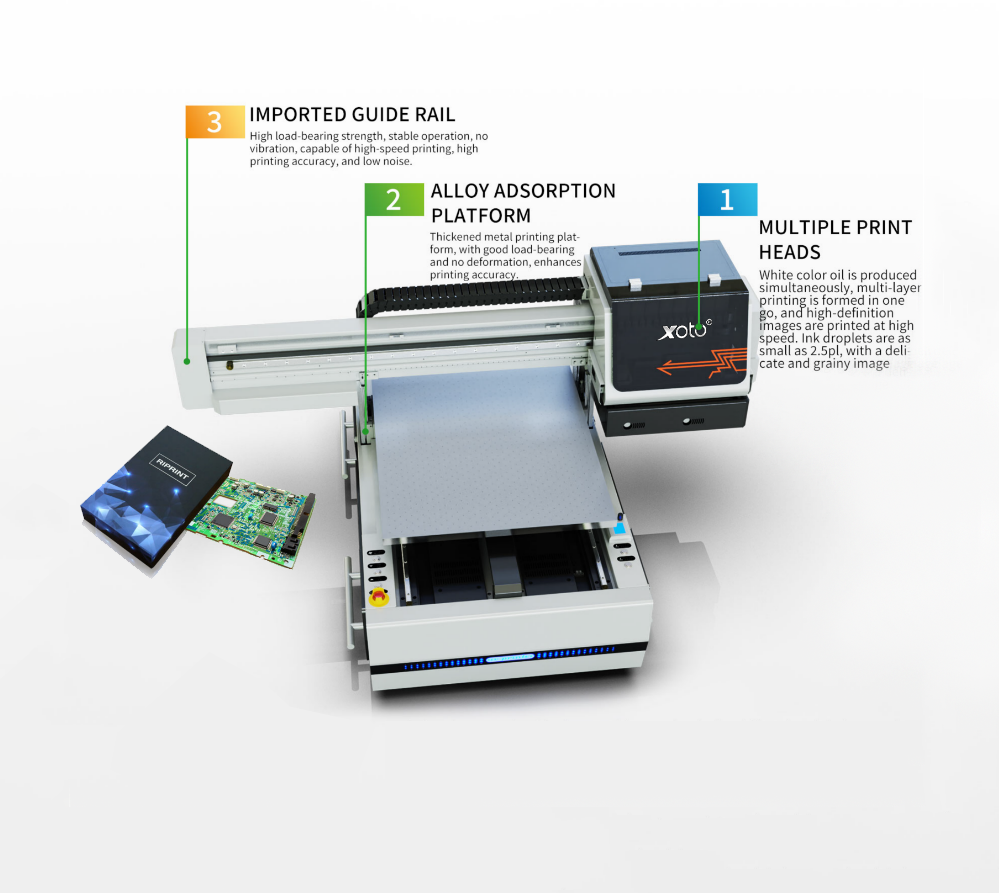
Strong servo motor power
-
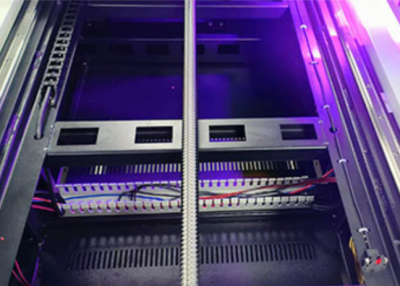
High precision lead screw
-
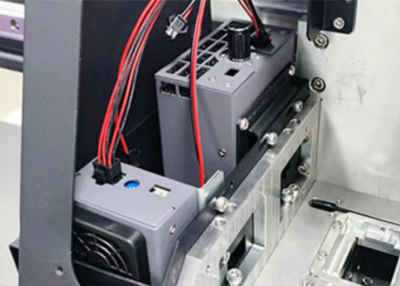
Air cooling device
-
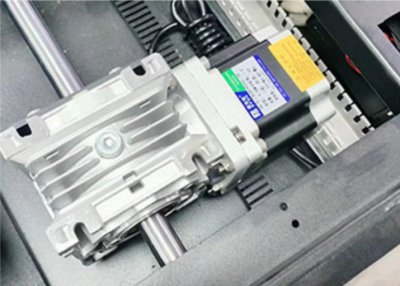
Reducer
-
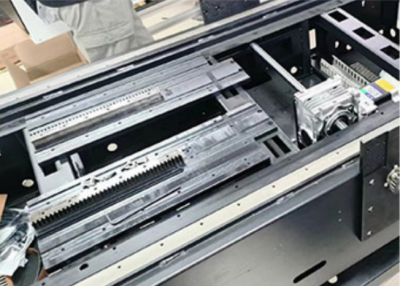
High density framework
-
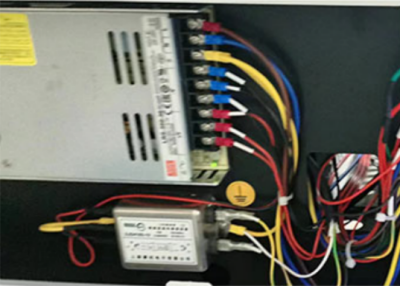
Alloy adsorption platform
-
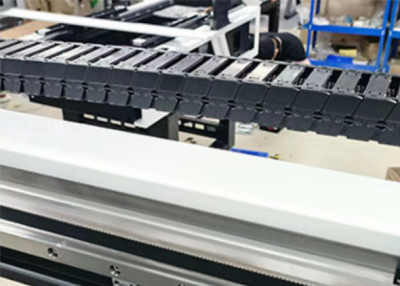
Durable and wear - resistant drag chain
-
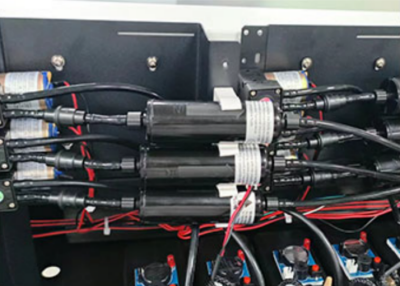
Ink filtration
-
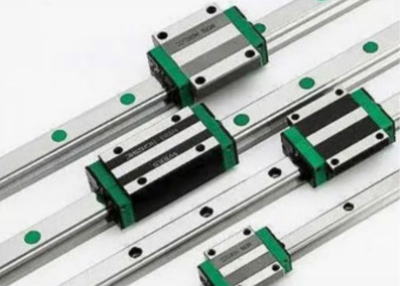
Imported guide rail
-
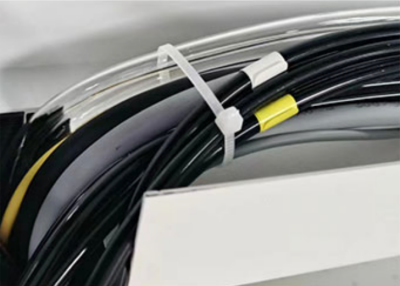
High flexible power cord
-
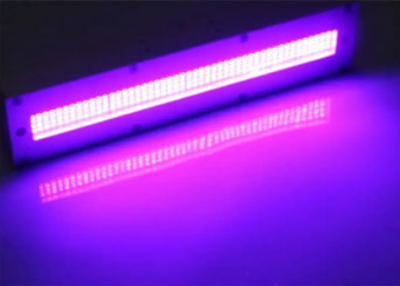
LED light, high lifespan and strong curing
-
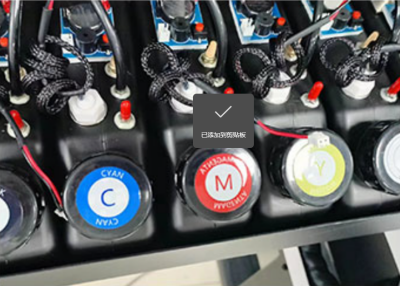
Automatic ink shortage alarm
Adopting Precision Core micro thin film piezoelectric printing chip, 2.5PL variable point can achieve high-definition image level. The color blocks are cleaner and smoother. The ink droplets sprayed at the same time are close to the circle, accurately positioning the image. Support variable ink drop technology, achieve multi grayscale printing, reduce the graininess of the image, make the color transition smoother, and bring high saturation and bright color output.

Key Features & Competitive Advantages
1) Dedicated White Ink Auto-Circulation System
White pigment inks are notoriously prone to settling. The XT-6090Ultra solves this with a built-in motorized stirring and auto-circulation loop that keeps white ink homogenous 24/7 — even when the machine is idle. This eliminates nozzle clogs caused by sediment, extends print-head life, and ensures consistent, opaque white coverage on dark and transparent substrates.
2) Industrial Epson i3200 Print Head
The i3200-U1 industrial piezoelectric head delivers up to 10 m²/h in production mode and supports variable drop-size inkjet (VSDT) technology, enabling smooth color gradients and fine-detail reproduction at resolutions up to 1,440 dpi. Optional dual- or triple-head configurations are available for higher throughput requirements.
3) Water-Cooled LED UV Curing Lamps
Unlike traditional mercury lamps, the water-cooled LED UV system generates minimal heat, preventing substrate warping on heat-sensitive materials such as PVC, ABS, and thin acrylic. LED lamp lifespan exceeds 20,000 hours, dramatically reducing maintenance costs compared to conventional UV sources.
4) CMYK + White + Varnish (6-Color) Ink Configuration
The six-color ink configuration — Cyan, Magenta, Yellow, Black, White, and Clear Varnish — enables three distinct printing modes in a single pass:
Color-only mode: vivid CMYK on white or light-colored substrates.
White underbase mode: opaque white layer beneath color for dark or transparent materials.
3D embossed varnish mode: raised gloss effect up to 5 mm for tactile premium finishes.
5) Precision Vacuum Suction Platform
The hard-anodized aluminum vacuum table holds substrates firmly flat without mechanical clamps, ensuring repeatable print positioning across batch runs. An integrated auto-sensing system measures substrate height before each job, preventing head-strikes and enabling safe printing on objects with uneven surfaces.
6) Intelligent RIP Software Bundle
Ships with PhotoPrint / Maintop 6.0, providing color profiling, white-ink layer management, step-and-repeat nesting, and spot color matching. Supports TIFF, JPEG, PNG, PDF, and EPS inputs — no file conversion required from most design applications.
Product Application
-
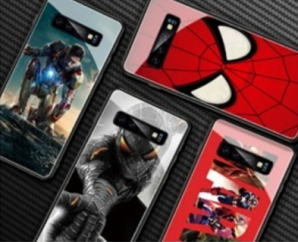
PHONE CASE
-
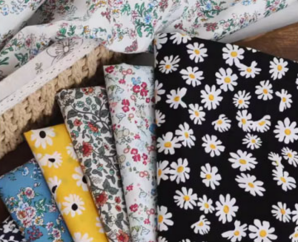
CLOTH
-
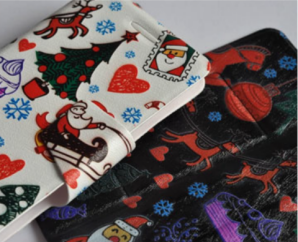
LEATHER
-
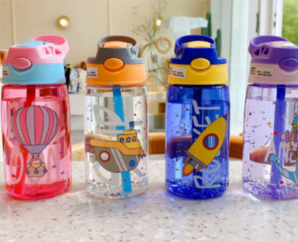
WATER CUP
-
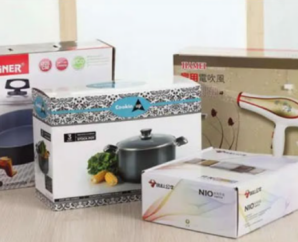
BOX
-
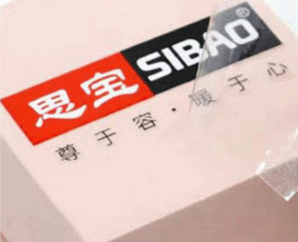
CRYSTAL LABEL
-
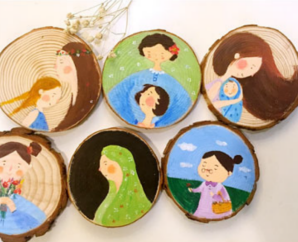
BOARD
-
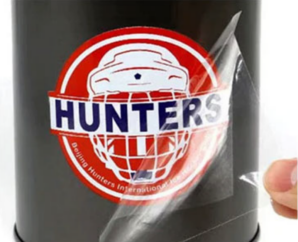
METAL PACKAGING BOX
-
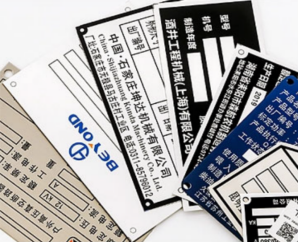
METAL PLATE
-
PLASTIC CASE
-
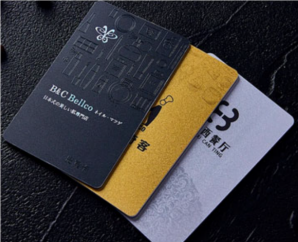
PVC
-
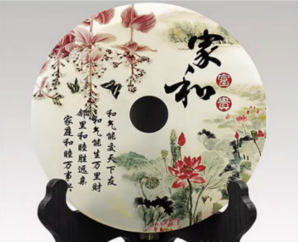
JADE
-
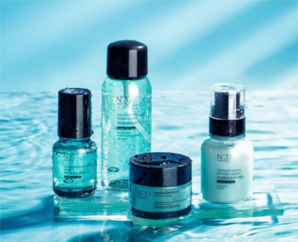
COSMETICS
-
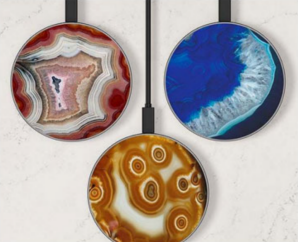
WIRELESS CHARGER
-
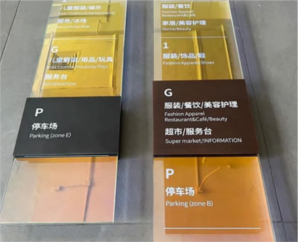
ACRYLIC
-
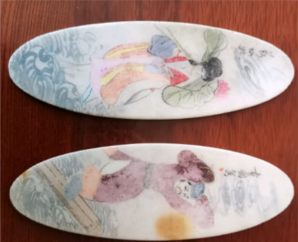
SLABSTONE
-
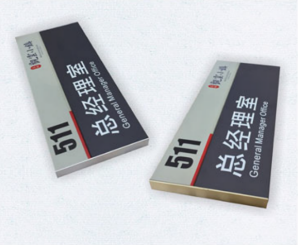
SIGNBOARD
-
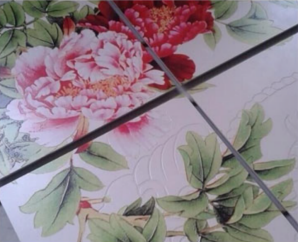
CERAMIC TILE
-
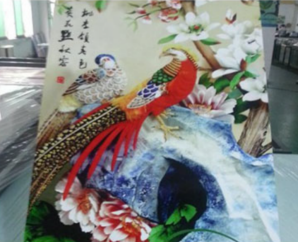
FOAM BOARD
-
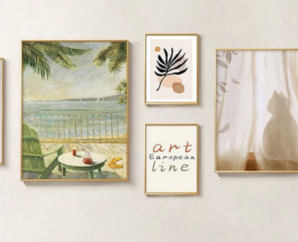
OIL PAINTING
With the development of social industrialization, the innovation capacity of industrial digital printing technology is also advancing rapidly, which is mainly reflected in customized products. UV printers combine UV curing ink with digital inkjet printing, featuring convenient operation, fast printing speed, clear and rich printing patterns, beautiful colors, firm colors, environmental protection, and other advantages. They are widely used in the advertising and identification industry, decoration industry, personalized printing industry, glass industry, furniture sliding door industry, signage industry, exhibition and display industry, rigid cardboard packaging industry, leather and textile industry, personal entrepreneurship and store opening, various factory processing and production, etc.
-
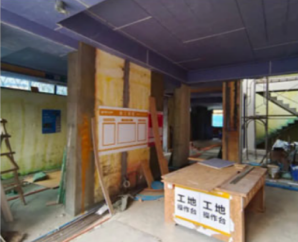
DECORATE
-
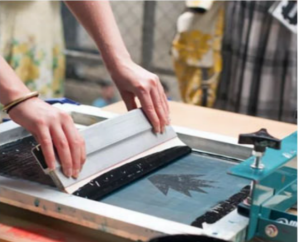
SILK SCREEN PRINTING
-
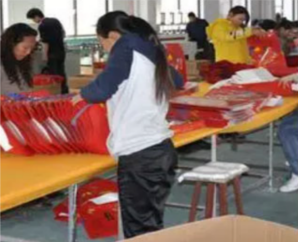
GIFT PROCESSING
-
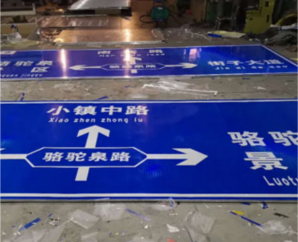
IDENTIFICATION PLATE
-
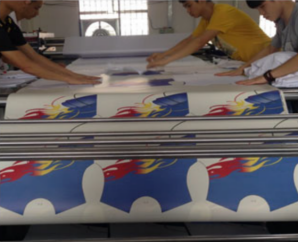
LEATHER GARMENT
-
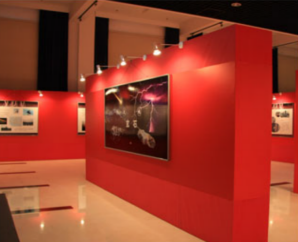
EXHIBITION
-
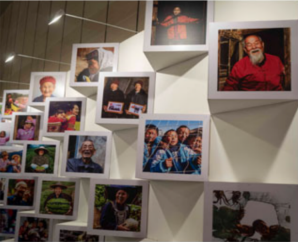
WEDDING PHOTOGRAPHY
-
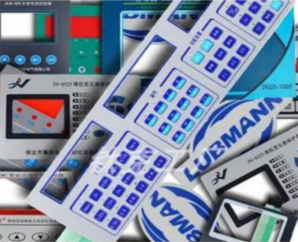
ELECTRONICS
SIMPLE OPERATION
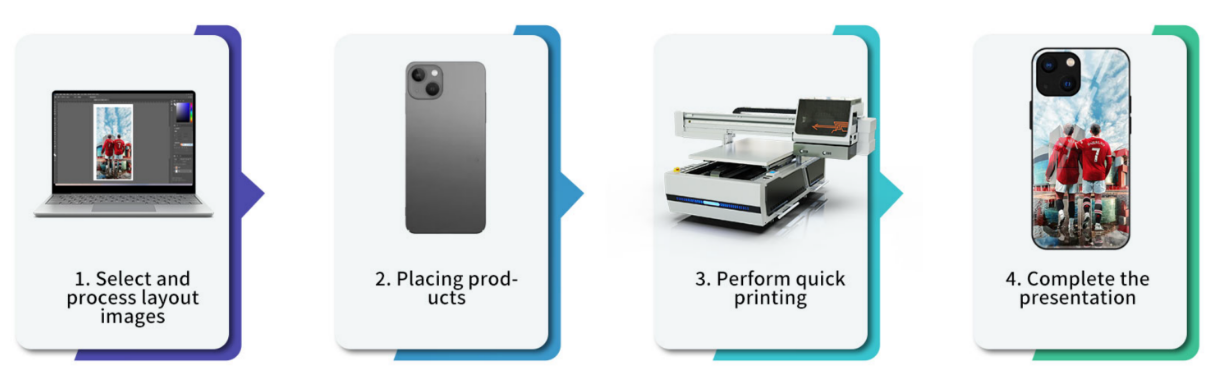
Compatible Printing Substrates
The XT-6090Ultra prints directly onto any flat or slightly curved surface with a maximum object height of 150 mm. Tested and certified compatible substrates include:
Rigid plastics: acrylic (PMMA), PVC, ABS, polycarbonate, polystyrene
Metals: aluminum sheets, stainless steel panels, iron plates, anodized metals
Glass & ceramics: tempered glass, ceramic tiles, porcelain, mosaic
Wood & composites: MDF, solid wood, bamboo board, plywood, cork
Leather & synthetic leather: genuine leather, PU leather, TPU film
Foam & signage boards: KT board, foam board, Forex (PVC foam), Gator board
Specialty items: phone cases, laptop covers, USB drives, golf balls, pens
Packaging: coated cardboard, gift boxes, wine bottle caps, cosmetic shells
Standard Printing Process — Step by Step
1. Surface Preparation: Clean substrate with isopropyl alcohol. Apply primer if required by substrate type.
2. Substrate Placement: Position object on vacuum table; activate suction to secure.
3. Height Detection: Auto-sensor scans object height; print head gap is auto-adjusted.
4. Job Setup in RIP: Import artwork file, configure ink channels (CMYK / White / Varnish), set resolution and pass count.
5. Printing & Curing: UV LEDs instantly cure each ink droplet as the carriage passes — output is dry-to-touch on exit.
6. Quality Inspection: Check color consistency, adhesion, and curing. Apply varnish pass if 3D emboss effect is required.
7. Post-Processing: Optional protective coating for outdoor-rated or high-abrasion items.
Why Choose the XT-6090Ultra?
| Feature | XT-6090Ultra | Typical Competitor |
| White ink auto-circulation | ✓ Standard | ✗ Optional / absent |
| Print head brand | Epson i3200 industrial | Generic / TX800 budget |
| LED UV lamp cooling | Water-cooled (long life) | Air-cooled (shorter life) |
| Auto height detection | ✓ Infrared sensor | Manual adjustment only |
| Varnish channel | ✓ Built-in | Extra cost upgrade |
| Software included | PhotoPrint + Maintop | Basic RIP or none |
| Warranty | 1 year + lifetime support | 90 days typical |
Package Contents
• 1 × XT-6090Ultra UV Flatbed Printer (fully assembled)
• 1 set × Ink cartridges: CMYK + White + Varnish (starter supply)
• 1 × RIP software license (PhotoPrint or Maintop 6.0)
• 1 × USB 3.0 cable
• 1 × Power cord
• 1 × Printhead cleaning kit (wipes, cleaning fluid, syringes)
• 1 × User manual (English + Chinese)
• 1 × Calibration board
• Remote technical support + video installation guide
ABOUT US
From production to sales, we offer a chain of services and production line supply to provide you with high - quality products.
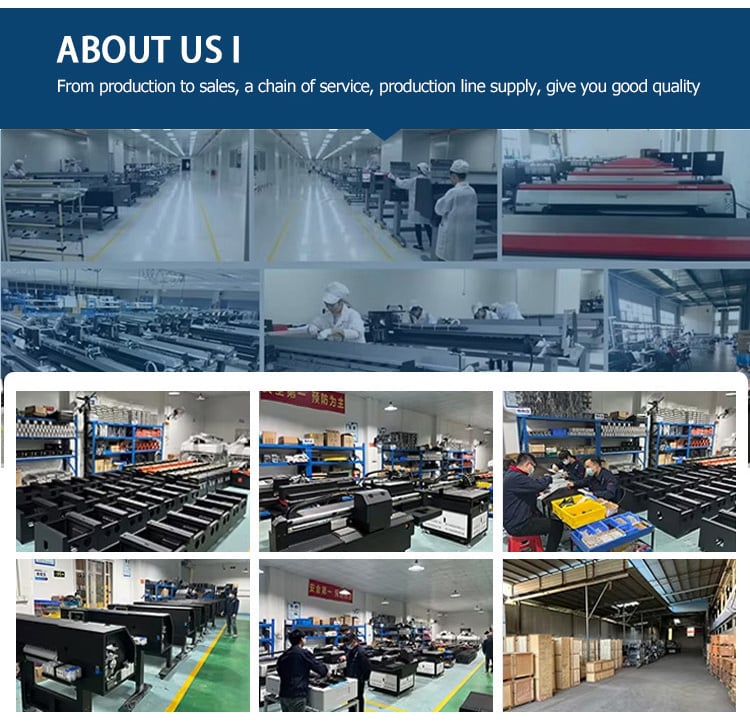
ABOUT Wuhan XOTO technology Co.,Ltd
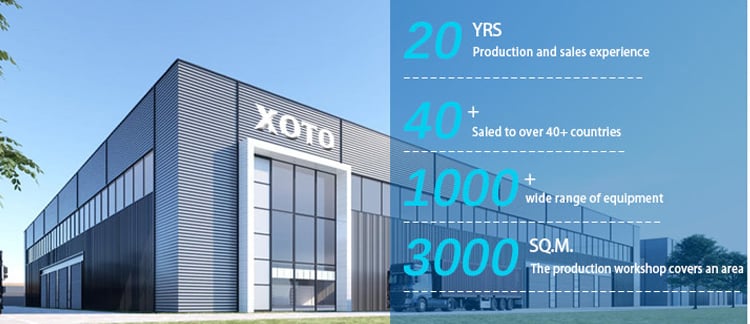
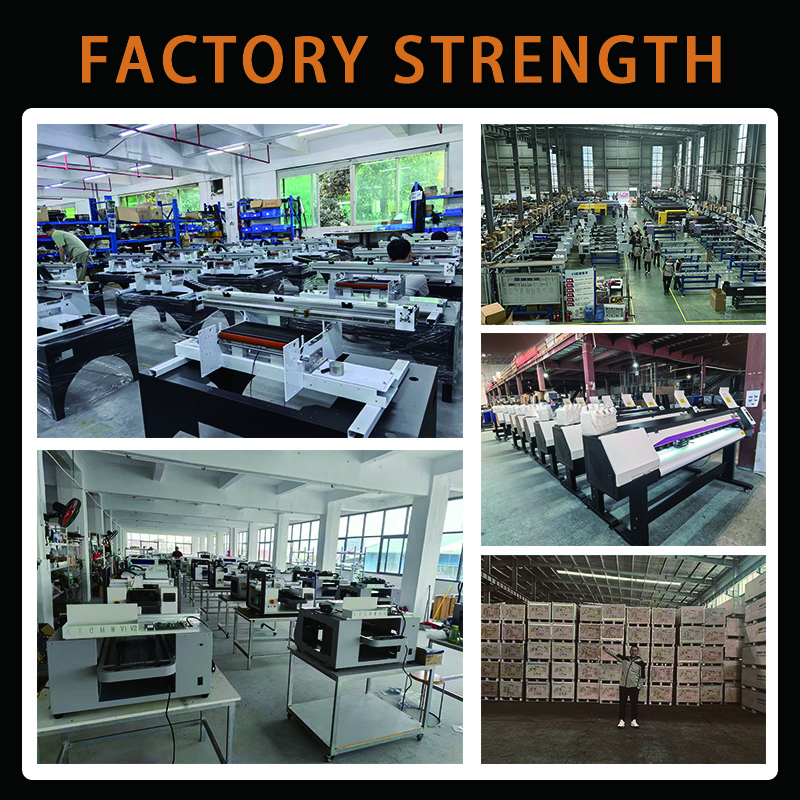
Wuhan XOTO Technology Co., Ltd is a professional company focus on research, production, and distribution of inkjet printers and printer accessories. We have our own factory in Guangzhou, support OEM & ODM customization.
Our main products now include Eco solvent printers, Sublimation printer, DTF printer, UV DTF printer, Digital printer, Textile printer, Cutter plotter and Laminators.
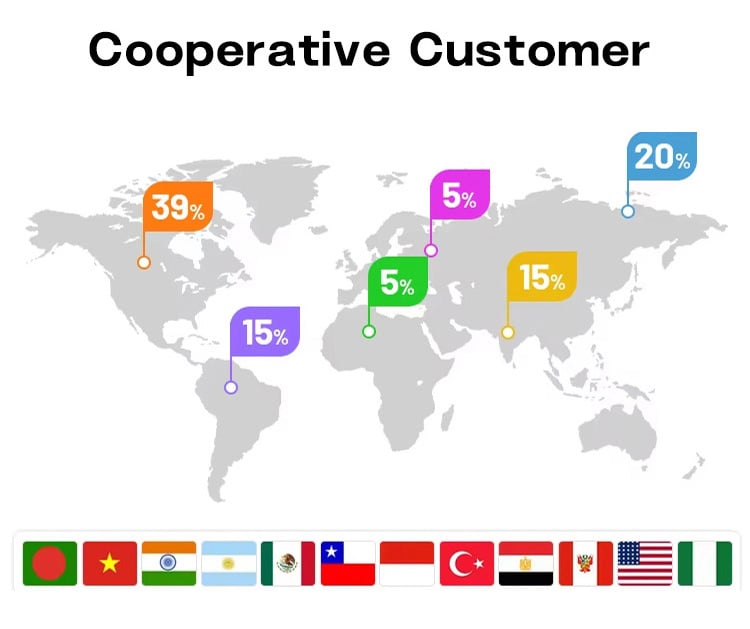
We have 20 years experience in inkjet printers. Through years of unremitting efforts and continuous innovation, our machines have been send to more than 50 countries and nations, established long term relationship with thousands of customers.
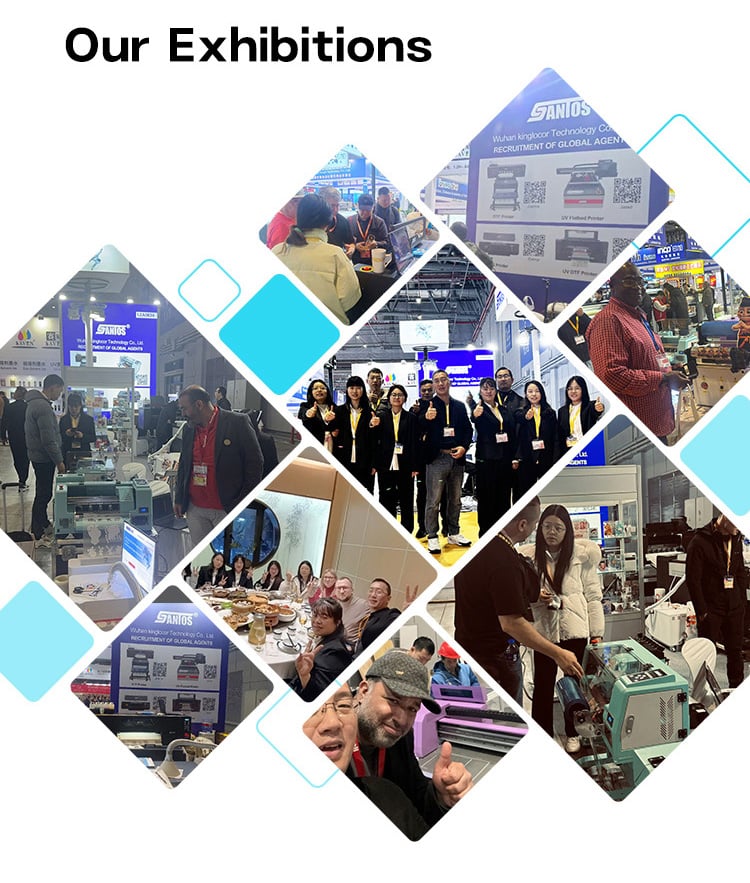
Our Exhibitions
Cooperative Customer
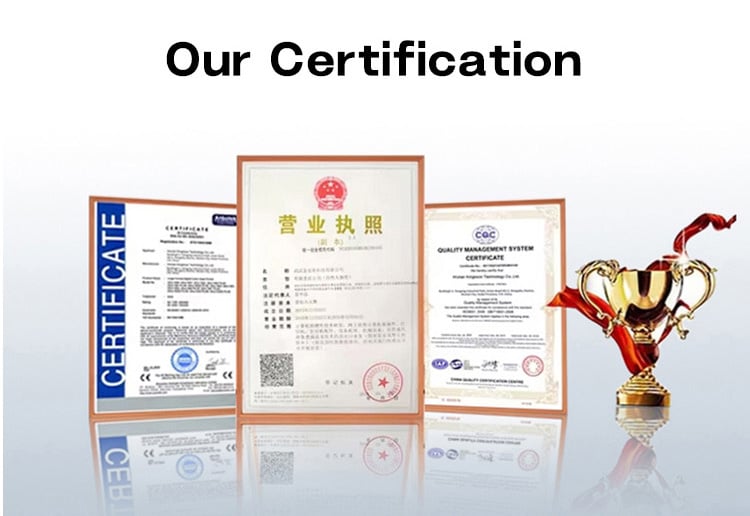
Our Certification
Product Packaging

Special line logistics and transportation,timely delivery
DELIVERY:we have close cooperatian with gaint logstic company
FAQ
Q:How does the white ink auto-circulation system prevent clogging in a 6090 UV flatbed printer?
A:White UV ink contains titanium dioxide pigment particles that are significantly heavier than CMYK pigments. Without active agitation, these particles settle inside ink lines and print-head channels within hours, causing partial or complete nozzle blockage. The XT-6090Ultra runs a motorized micro-pump that continuously circulates white ink through a closed loop — from the main cartridge, through the head dampers, and back — at a controlled flow rate even while the printer is idle. This keeps pigment uniformly dispersed, maintains stable ink viscosity, and eliminates the need for daily manual purge cycles. Operators benefit from consistent Dmax white density on transparent substrates and dramatically lower head-replacement costs over the machine's lifetime.
Insight: Most competitor datasheets list white ink stirring as a checkbox feature. The XT-6090Ultra implements full-loop circulation — a fundamentally different engineering approach.
Q:What is the actual usable print speed of a 6090 UV printer in a real production environment?
A:Advertised speeds refer to single-pass, draft-quality output. In real production, speed depends on resolution, number of white passes, and substrate surface absorption. With the Epson i3200 dual-head configuration, the XT-6090Ultra achieves approximately 10 m²/h at 720×720 dpi (production quality) and 5–6 m²/h at 720×1440 dpi (high-quality mode). Adding a white underbase layer reduces throughput by 30–40% because it requires a separate curing pass. For batch jobs on uniform substrates — such as phone cases on a jig — operators commonly achieve 200–300 pieces/hour for small items, making the machine commercially viable for mid-volume custom printing operations.
Insight: When evaluating competing printers, always ask for m²/h at your target resolution with white ink enabled — that figure is the true production benchmark.
Q:Which specific materials CANNOT be printed on a 6090 UV flatbed printer, and why?
A:Four material categories are incompatible or require special handling. First, highly porous and uncoated natural fabrics (cotton, linen, raw canvas) absorb UV ink before it cures, resulting in bleed and poor opacity — DTF or sublimation systems are better suited. Second, food-contact surfaces including the interior of cups and cutlery are unsafe because UV inks are not food-grade certified. Third, extremely flexible substrates such as thin silicone sheets or rubber bands may cause ink delamination under repeated bending stress — screen printing or pad printing is preferred. Fourth, very dark, non-absorbent plastic surfaces may require a primer pre-coat to achieve adequate adhesion. Understanding these boundaries prevents costly material waste during early production runs.
Insight: This question is frequently searched by buyers who want to avoid expensive substrate-incompatibility mistakes before placing machine orders.
Q:How does UV LED curing in a 6090 printer differ from traditional mercury UV curing, and which is better for heat-sensitive substrates?
A:Traditional mercury UV lamps emit broad-spectrum light including significant infrared radiation, raising substrate surface temperature by 40–80°C during curing. This causes thermal expansion, warping, and surface damage on PVC, thin acrylic, and ABS plastic. LED UV curing in the XT-6090Ultra emits a narrow wavelength band (385–395 nm) matched precisely to the photo-initiators in the UV ink, generating nearly zero infrared heat. Substrate surface temperature rises by less than 5°C during a normal print pass. This makes LED UV the only viable curing technology for heat-sensitive materials such as thin PVC cards, embossed leather, and pre-assembled electronics components — all common items in gift and customization businesses.
Insight: The water-cooled LED system on the XT-6090Ultra extends this advantage further: the cooling jacket prevents even the LED housing from becoming a radiant heat source.
Q:What is the correct workflow for printing on dark or transparent acrylic with a 6090 UV printer to achieve maximum color vibrancy?
A:Printing on dark or transparent acrylic requires a three-layer workflow. Layer 1: print a pure white foundation layer (100% white ink density) on the target image area. Cure immediately with full LED power. Layer 2: print the CMYK color image on top of the cured white base. The white layer acts as an optical reflector, giving CMYK inks the same gamut they would achieve on white paper — without it, colors appear dull or transparent. Optional Layer 3: apply a clear varnish pass for gloss enhancement or a raised 3D texture effect. In RIP software, this workflow is configured using the 'white underprint' channel mode. Adhesion testing with a cross-hatch tape test is recommended after the first production batch on any new acrylic stock.
Insight: Many first-time UV printer buyers discover this workflow gap only after producing their first batch of poorly colored dark-substrate items.
Q:How do I calculate the true cost per print for a 6090 UV flatbed printer including ink, depreciation, and maintenance?
A:Cost-per-print (CPP) for a 6090 UV flatbed printer has four components. (1) Ink cost: UV ink averages $80–120/liter; a 10×15 cm phone case at medium coverage consumes approximately 0.5–1.5 ml, equating to $0.04–$0.18 in ink. (2) Consumables: print-head replacement (~$200–350 per head every 12–18 months in production use), UV lamp maintenance (LED lasts 20,000+ hrs), and cleaning fluid. (3) Depreciation: a $15,000 machine amortized over 5 years adds ~$0.02–$0.05 per print at moderate volume. (4) Labor & energy: power draw is under 2 kW; at moderate use, energy costs are negligible. Total CPP for a standard phone case is typically $0.25–$0.60 — versus $1.50–$3.00 for outsourced digital printing, giving the machine owner a 3–5× cost advantage at mid-volume.
Insight: This cost model is rarely published by manufacturers — buyers must reverse-engineer it from ink prices and head-replacement cycles.
Q:Can a 6090 UV flatbed printer produce outdoor-durable prints, and how long will they last without fading?
A:UV-cured ink on a 6090 printer forms a hard, cross-linked polymer layer that is inherently more UV-stable than solvent or water-based inks. On metal, acrylic, and ceramic substrates with a UV-resistant topcoat, XT-6090Ultra prints achieve 3–5 years of outdoor durability in direct sunlight before noticeable fading. On wood or porous surfaces without topcoat, outdoor durability drops to 12–18 months due to substrate moisture absorption. For maximum outdoor longevity, the recommended process is: (1) apply an outdoor-grade UV primer before printing, (2) use the varnish channel for a clear protective topcoat, and (3) choose substrates with low porosity. This makes the printer suitable for exterior signage, outdoor promotional items, and architectural decoration panels.
Insight: Outdoor print durability is often tested by third-party labs using ISO 11341 accelerated weathering — a credible spec buyers can request from the manufacturer.
Q:What daily and weekly maintenance routines does a 6090 UV flatbed printer require to maintain consistent print quality?
A:Daily maintenance (5–10 min): Run a nozzle-check test print at startup. If blocked nozzles are detected, execute one automatic cleaning cycle. Wipe the print-head capping station and wiper blade with UV-safe cleaning solution. Check white ink circulation is active; verify no ink has settled overnight. Weekly maintenance (20–30 min): Perform a full printhead cleaning with soaking wipe method on the head face plate. Clean the encoder strip (a dirty strip causes banding artifacts). Check UV LED lamp intensity with a UV power meter — output below 80% of rated spec requires lamp servicing. Inspect and clean the vacuum table surface. Monthly: lubricate guide rails with manufacturer-specified grease; calibrate printhead height sensor; check ink line fittings for micro-leaks.
Insight: Operators who skip encoder strip cleaning often misdiagnose the resulting banding as a nozzle problem — leading to unnecessary head-cleaning cycles that accelerate wear.
Q:How does the 6090 UV printer handle variable data printing (VDP) for serial numbers, QR codes, and personalized batch jobs?
A:Variable data printing on the XT-6090Ultra is handled at the RIP software level, not the printer firmware. Supported workflow: export a template artwork with a designated variable data field from Adobe Illustrator or CorelDRAW as a PDF with embedded fonts. Import into PhotoPrint or Maintop RIP, which supports CSV-linked variable text, numbering sequences, and barcode/QR generation natively. For each record in the CSV (e.g., name, serial number, QR content), the RIP renders a unique page and queues it automatically. Throughput for VDP jobs is limited by RIP rendering speed rather than print speed — a fast workstation with a dedicated GPU accelerates rendering for large batches. This capability makes the XT-6090Ultra ideal for personalized awards, serialized asset tags, event badges, and anti-counterfeit labels.
Insight: VDP is an advanced feature many buyers discover only after purchase — knowing the RIP software supports it natively justifies the investment for label and promotional applications.
Q:What power infrastructure and workshop environment requirements must be met before installing a 6090 UV flatbed printer?
A:The XT-6090Ultra requires a dedicated 220 V AC circuit with a minimum 15 A circuit breaker — sharing a circuit with high-draw equipment causes voltage fluctuations that trigger error codes and affect print quality. A stabilized power supply (UPS or voltage regulator) is strongly recommended in regions with unstable grid power. Workshop environment: maintain temperature between 18–28°C year-round — temperatures below 15°C increase ink viscosity and cause poor flow; above 32°C accelerates ink gelling in lines. Humidity must be kept at 46–65% RH to prevent static charge buildup (causes ink misdirection) and substrate dimensional changes. The machine must be installed on a level concrete or reinforced floor capable of supporting 280 kg; positioning near a dust-generating process (cutting, sanding) requires a physical barrier or air filtration system. Allow 1 m of clearance on all sides for maintenance access.
Insight: Infrastructure mismatches — especially humidity and power — are the leading cause of quality complaints within the first 30 days of operation, according to service technician feedback.