- Overview
- Specification
- Applications
- About us
- FAQ
- Recommended Products
Parameters
Benchtop UV Flatbed Printer for Small Shops with Big Product Mixes
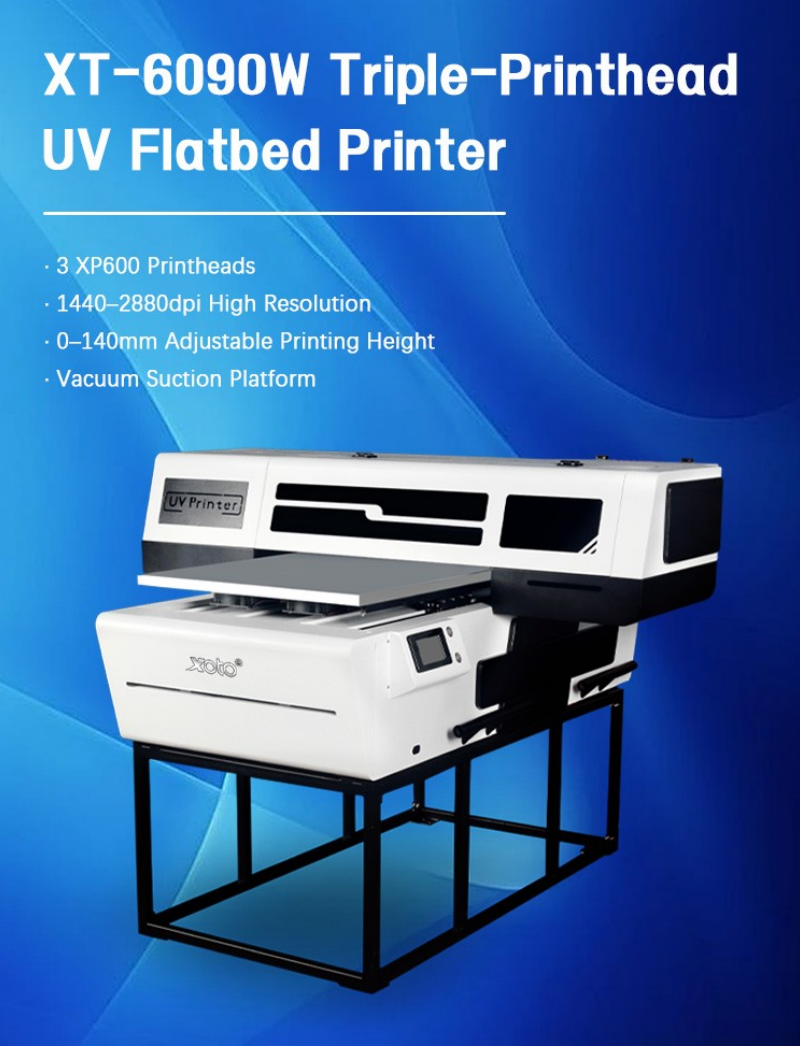
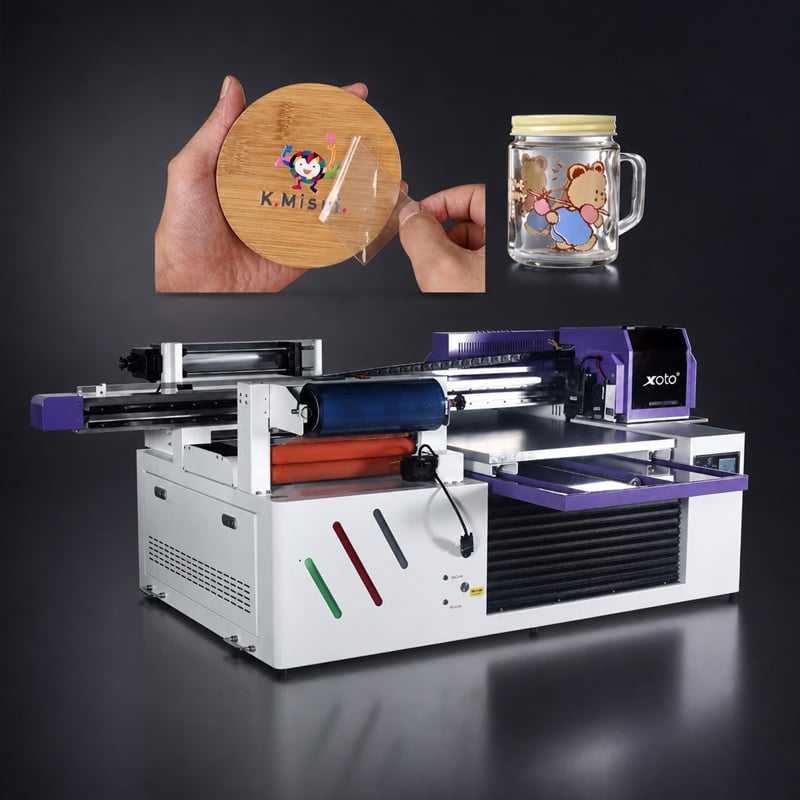
XOTO XT-6090W: three Epson XP600 heads, 1440–2880 dpi, 0–140 mm adjustable height, vacuum suction platform.
The XOTO XT-6090W is a benchtop UV flatbed printer built for the shop that does not have 30 square meters to spare. It prints straight onto the object — no plate, no screen, no transfer paper — and cures the ink with UV light the moment it lands, so a phone case, a wooden coaster or a printed tote comes off the platform dry and ready to pack.
Three Epson XP600 heads put it in a different class from the single-head desktop units most buyers start on: resolution runs from 1440 dpi up to 2880 dpi, the platform holds 600 x 900 mm of substrate, and the head assembly lifts clear to 140 mm, which is what lets a benchtop UV flatbed printer decorate boxes, drinkware and small assembled products rather than only flat sheets.
Why This Benchtop UV Flatbed Printer, Not a Desktop Unit
• Three XP600 heads — more ink laid down per pass than a single-head desktop machine, which is the difference between sample-making and sellable daily output.
• 1440–2880 dpi — fine text, small logos and photographic gradients hold up at arm’s length, which matters on gift and promotional work where the buyer inspects the product up close.
• 0–140 mm adjustable print height — print on flat boards, phone cases, wooden blanks, cosmetic boxes and small assembled items without changing machines.
• 600 x 900 mm vacuum suction platform — film, thin sheets and small parts stay pinned flat, so registration does not drift across a full sheet.
• UV LED curing — instant dry, no drying rack, no waiting overnight, no powder.
• Benchtop footprint on a steel frame — it goes into a retail back room, a mall kiosk or a design studio, not just a factory floor.
• Direct-to-substrate process — one operator, one file, one finished piece; no minimum order and no outsourced sample run.
What Makes the Triple-Head Setup Worth It
On a benchtop UV flatbed printer, head count is the honest measure of throughput. A single head has to do color, white and any varnish in sequence, which stretches every job and forces compromises on white opacity. The XT-6090W carries three XP600 heads, so color and white coverage no longer compete for the same pass — and white ink is what lets you print on black hoodies, dark phone cases, clear glass and coloured packaging without a separate primer step.
That is also why the machine covers a wider product range than its size suggests. The same benchtop UV flatbed printer prints a full-sheet run of stickers in the morning, a batch of wooden coasters at noon and a set of printed glass mugs in the afternoon — with the vacuum platform holding each substrate flat and the head raised to suit its thickness.
Key Specifications at a Glance
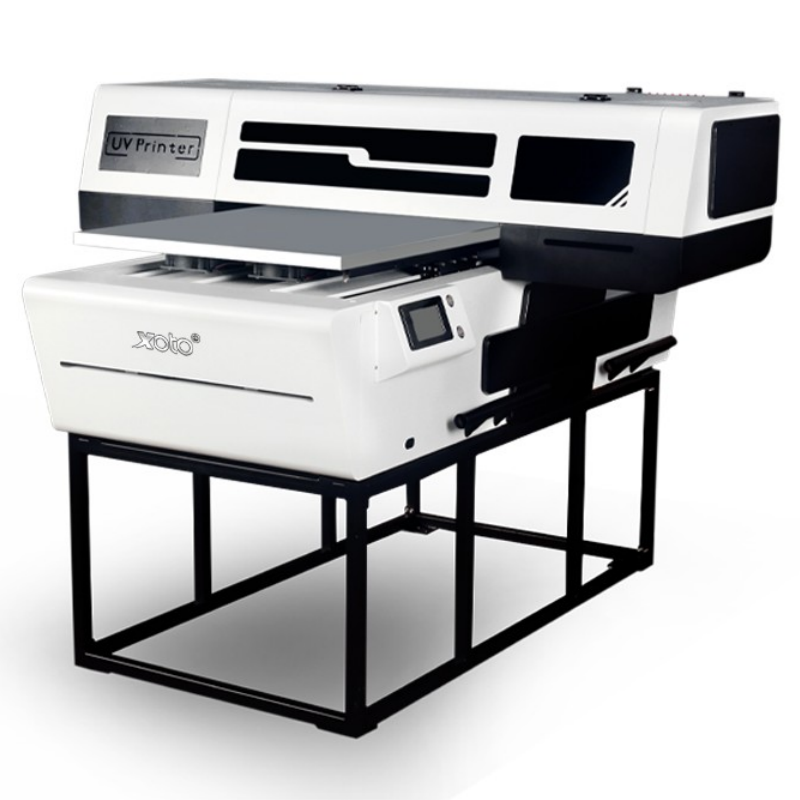
Compact benchtop chassis on a steel stand — roughly the floor space of a small desk.
Specification
| Item | Specification |
| Model | XOTO XT-6090W |
| Machine type | Benchtop UV flatbed printer (direct-to-substrate, UV LED curing) |
| Printhead | 3 x Epson XP600 |
| Print resolution | 1440 dpi – 2880 dpi |
| Print area | 600 × 900 mm (per model designation — confirm with your sales contact) |
| Print height | 0 – 140 mm adjustable |
| Platform | Vacuum suction platform |
| Ink | UV-curable ink; colour + white channels (varnish optional, confirm at order) |
| Curing | UV LED, instant cure |
| Control | Touch panel with job and maintenance menus |
| Installation | Benchtop unit on steel frame stand; single operator |
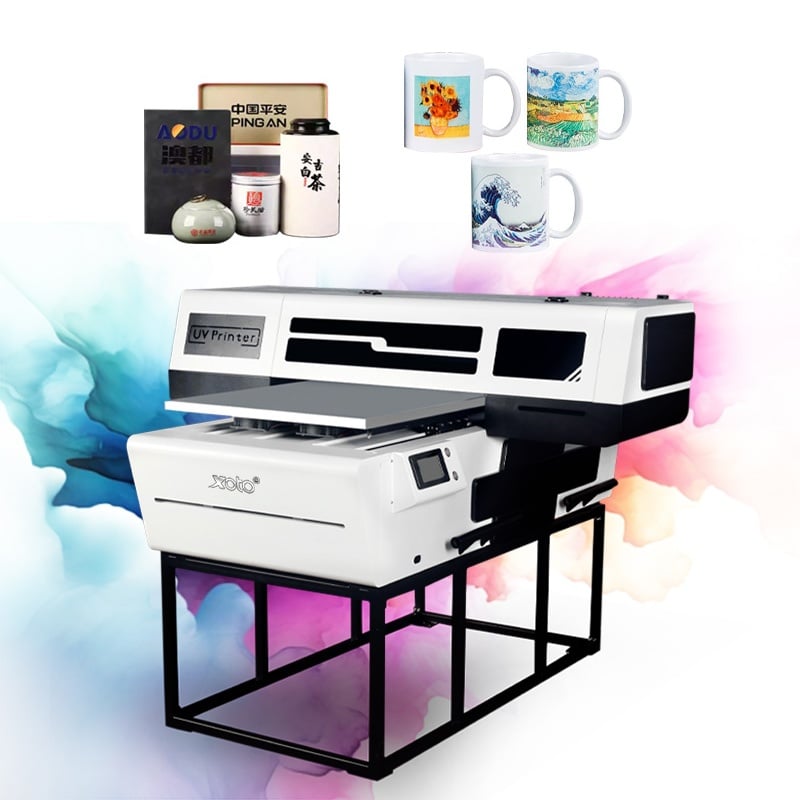
| Ideal output | Phone cases, gift blanks, drinkware, small signage, apparel transfer film, packaging prototypes |
Applications
What a Benchtop UV Flatbed Printer Actually Sells
| Market | Typical products | Why this machine fits |
| Apparel & merchandise | T-shirts, hoodies, tote bags via transfer film | Print the film on the vacuum platform, press on demand — no stock inventory of finished garments |
|
Phone & device a ccessories |
Phone cases, earbud cases, small shells | Jigs and low print height handle small batches of small parts with repeatable registration |
| Gifts & souvenirs | Wooden coasters, keychains, plaques, trophies | 0–140 mm height and UV ink adhesion on wood, acrylic and metal |
| Drinkware | Glass mugs, jars, tumblers, bottles | White ink base on clear glass; UV cure means the print survives handling immediately |
| Packaging & prototypes | Cosmetic boxes, rigid gift boxes, mock-ups | Short runs and one-offs without a die line or a print broker |
| Retail & signage | Small panels, shelf talkers, promo boards | 600 × 900 mm covers standard sheet stock in one pass |
| Promotional & corporate | Branded gifts, event giveaways, awards | Personalisation at quantity — variable data per piece |
Apparel and Merchandise, Without a Second Machine
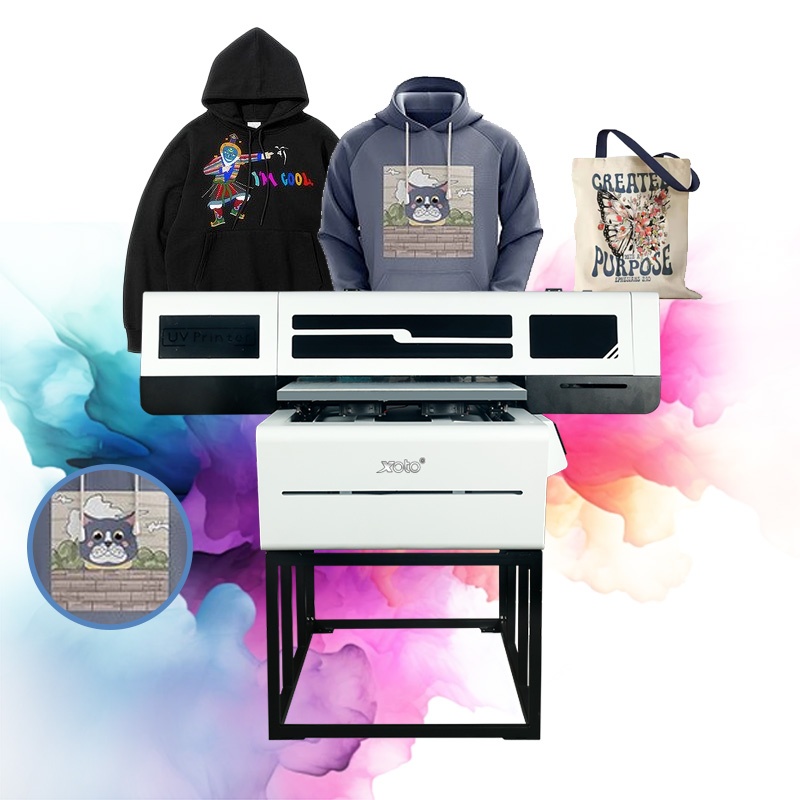
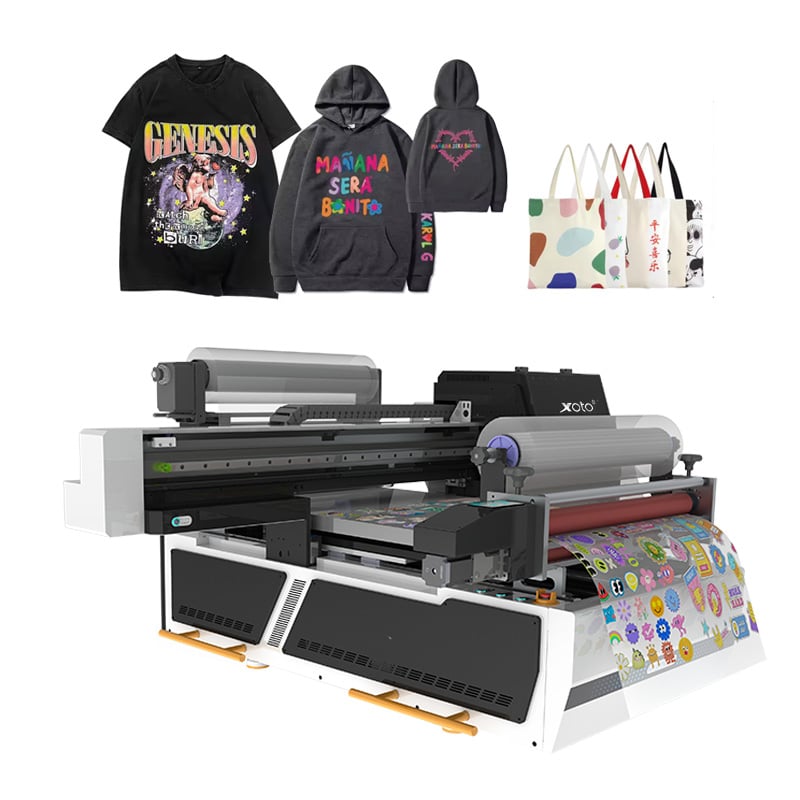
Print transfer film on the platform, then heat-press onto cotton hoodies and canvas totes.
Apparel is the fastest way to fill a benchtop UV flatbed printer’s calendar. Print the design onto transfer film on the vacuum platform, dust with adhesive powder, cure, then press onto the garment. Because the film — not the shirt — goes through the printer, you can decorate black hoodies, coloured totes and blended fabrics without pre-treatment or a dedicated textile machine, and you only print what has been ordered.
Hard Goods: Wood, Glass and Small Assembled Items
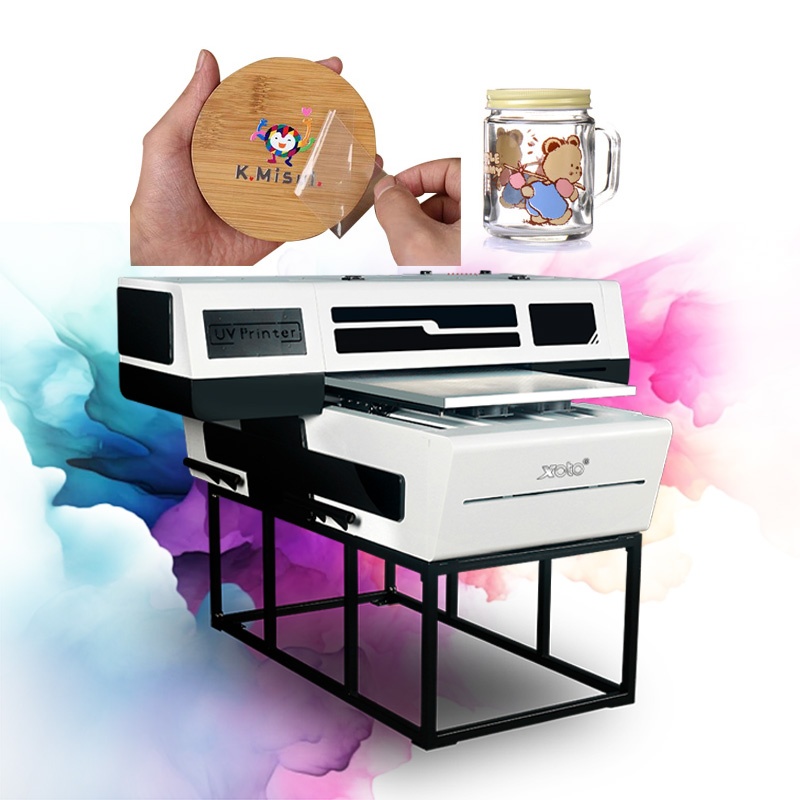
Wooden coasters and glass drinkware — white ink underneath, colour on top, cured instantly.
Hard goods are where the 140 mm height and vacuum platform earn their place. A wooden coaster is thick and slightly warped; a glass mug has a curved body and a handle that will not lie flat. The platform pins what can be pinned, the head lifts over what cannot, and white ink gives the colour something opaque to sit on. The result is a printed object that a customer can pick up and use the same day — which is exactly the promise a small customisation business sells.
• Wood and MDF — coasters, plaques, boxes, toys, with a light sanding and a wipe before printing.
• Glass and ceramic — mugs, jars, tiles; white base first, colour second.
• Acrylic and rigid plastic — phone cases, keychains, display blocks, signage panels.
• Metal — coated panels, tags and gifts; adhesion depends on the coating, so always sample first.
• Leather and PU — patches, wallets, bags, notebook covers.
• Films and paper — transfer film, stickers, labels, photo paper on the vacuum platform.
From File to Finished Product in Four Steps
1. Lay out the job in the RIP or the supplied layout software, place the white layer under colour where the substrate is dark or transparent.
2. Set the head height for the substrate and place it on the vacuum platform; switch on suction and confirm it is pinned flat.
3. Print — UV LED curing follows the carriage, so the ink is dry as the head moves on.
4. Unload, inspect and pack. No drying rack, no overnight wait, no post-cure oven.
Service and Support for Benchtop UV Flatbed Printer Buyers
• Free sample printing before you order — send your artwork and your substrate; we print it on an XT-6090W and ship it to you.
• Remote installation guidance, English manual and video walkthroughs.
• Operator training on daily maintenance, head care, white ink circulation and RIP profile handling.
• Spare parts and consumables — printheads, capping station, wipers, dampers, UV ink.
• Technical support by email and messaging apps during your working hours.
Product Application
-
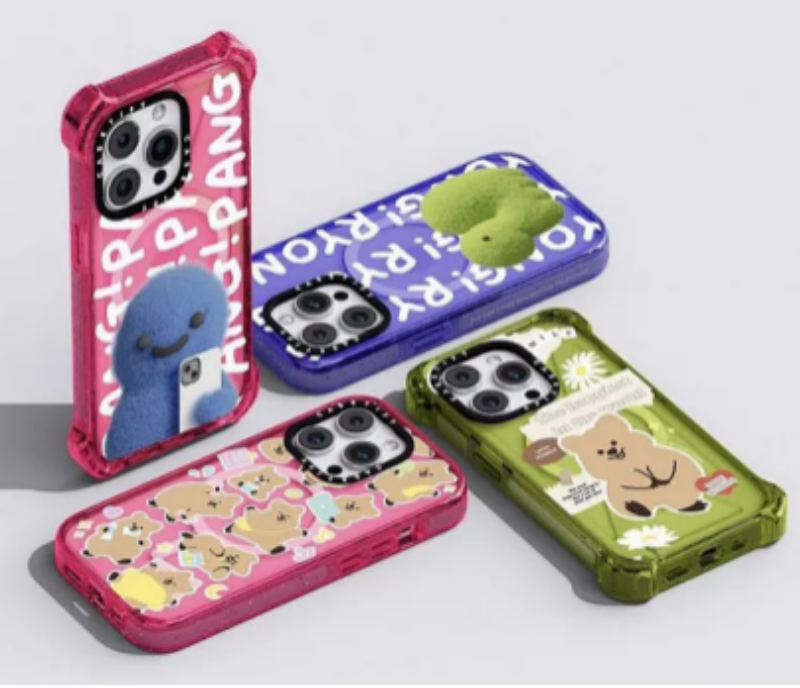
Phone Cases
-
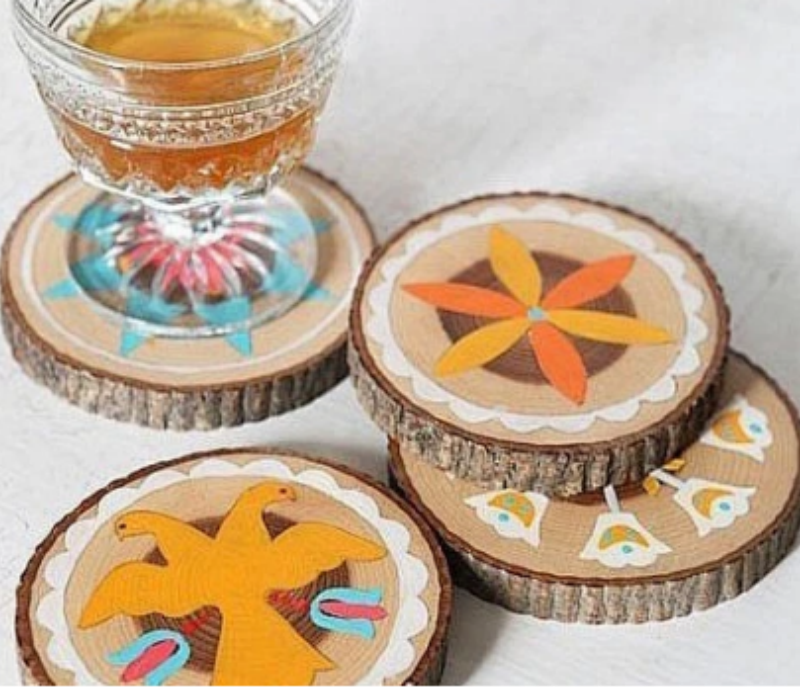
Wooden Cup Holders
-
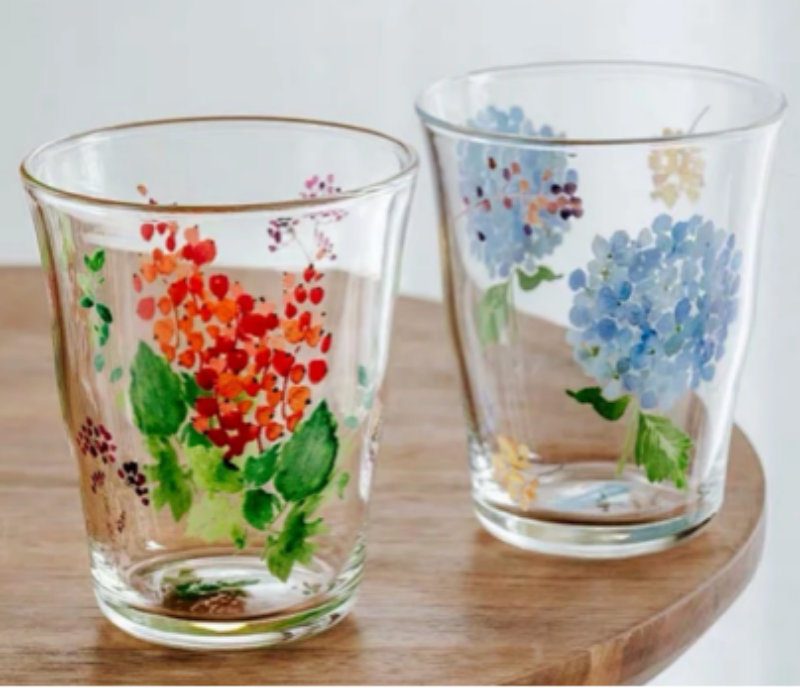
Glass Cups
-
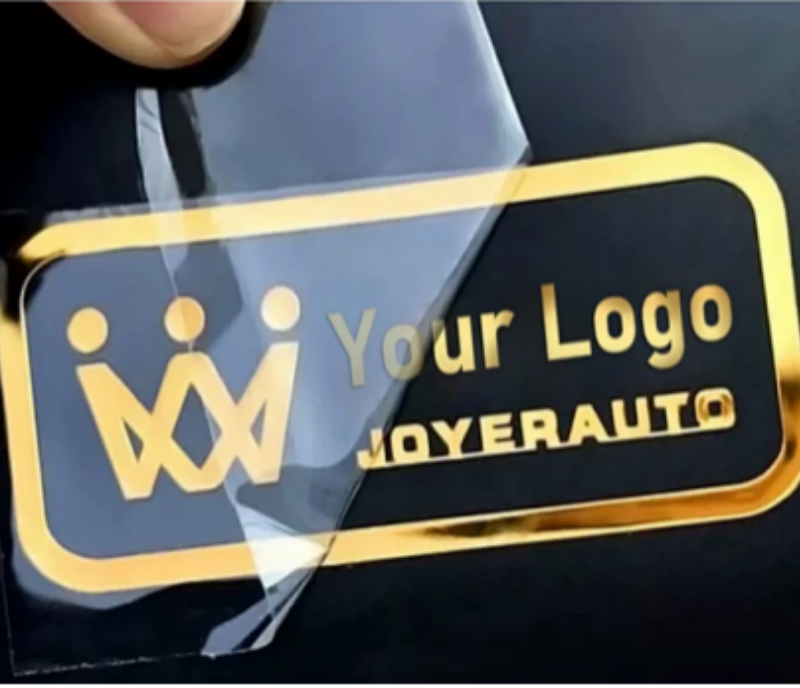
Metal Nameplates
-
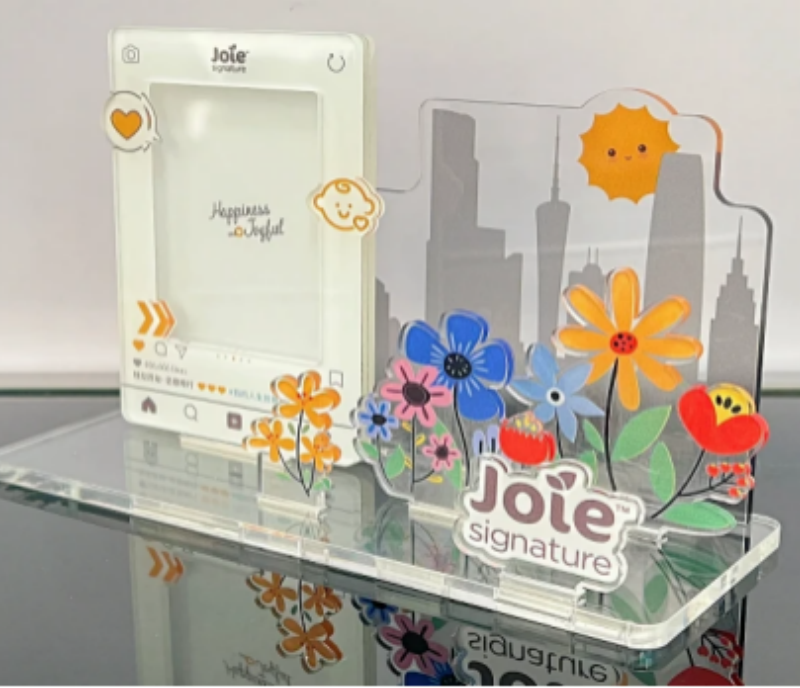
Acrylic Display Boards
-
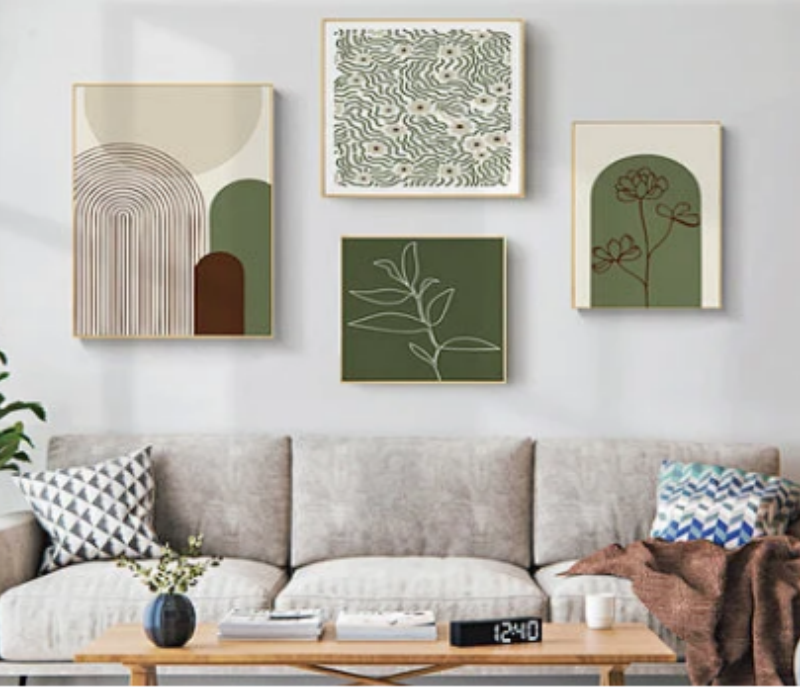
Decorative Paintings
Request a Sample Print from This Benchtop UV Flatbed Printer
Tell us what you want to print — phone cases, coasters, mugs, transfer film, packaging — and send one artwork file. We will print it on an XT-6090W, photograph the result on your substrate type, and ship the sample with a quote. No obligation, and no need to guess whether the machine fits your product line.
About us
Ink Options: Four Chemistries, One Platform
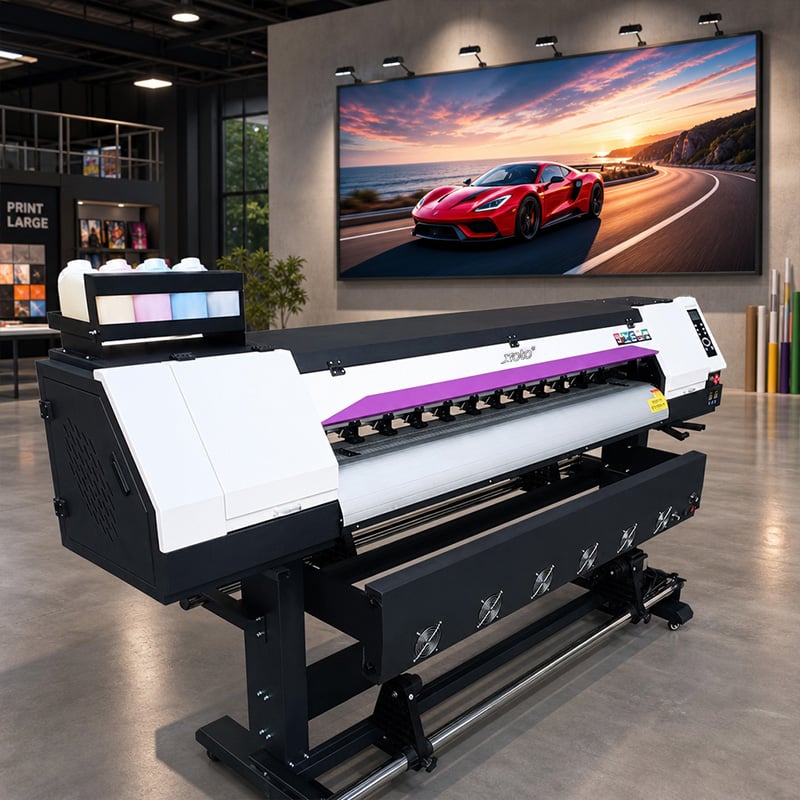
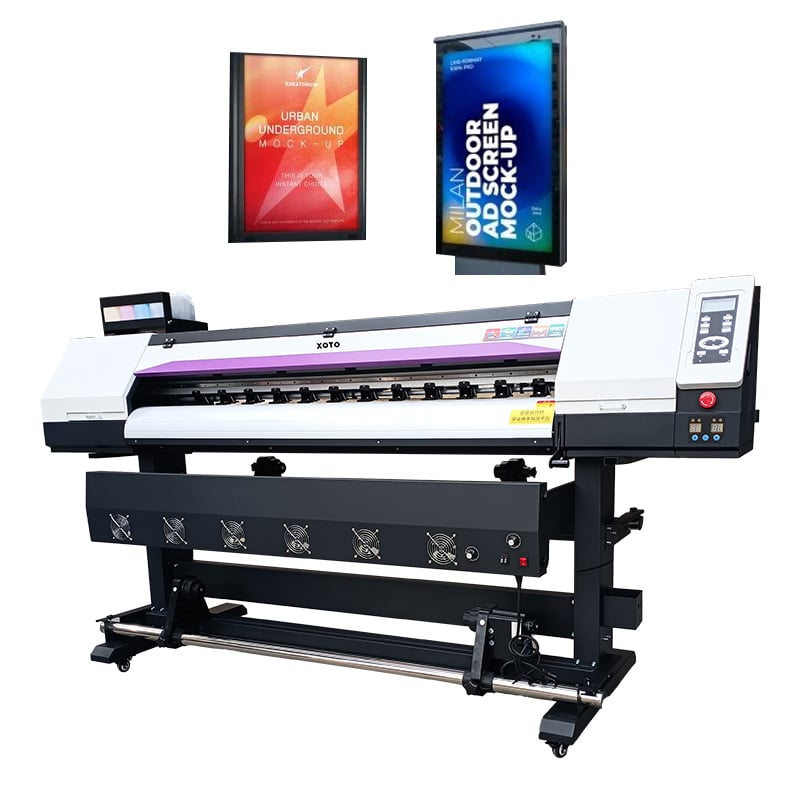
• Eco-solvent — durable outdoor graphics on vinyl and banner, with no lamination for short-to-medium term work.
• Water-based — photo paper, backlit film and indoor graphics where a wider color gamut matters more than weather resistance.
• Sublimation — transfer paper for polyester textiles, sportswear, flags and soft signage.
• UV — for rigid and specialty applications where instant cure and a harder film are needed.
1500 ml tanks and a negative-pressure CISS keep ink cost per square meter predictable, and the 4 / 6 / 8 color configurations let you trade ink cost against gamut and photographic smoothness. A shop printing mostly banner work will run 4 colors; a shop doing wallpaper and interior graphics will usually want 6 or 8.
From File to Finished Roll in Four Steps
1. RIP the file — Maintop is included; ONYX or PhotoPrint can be specified at order.
2. Load the roll onto the feed shaft, thread through the pinch rollers and let the media detector confirm the edge.
3. Set pass mode and heat: 4-pass for banner volume, 6-pass for photographic detail, with the platform heater and infrared dryer matched to the media.
4. Print, dry on the take-up device and unload — ready to laminate, apply or ship.
Service and Support
• Pre-sales sample printing — send your file and media, we print and ship a sample before you order.
• Remote installation guidance, English manual and video walkthroughs.
• Operator training covering daily maintenance, head care, ICC profile handling and RIP settings.
• Consumables and spare parts supply — heads, cap stations, wipers, ink and media.
• Technical support by email and messaging apps during your working hours.
FAQ
1. What is a benchtop UV flatbed printer?
A: A benchtop UV flatbed printer is a compact UV inkjet machine that sits on a bench or a steel frame instead of occupying a production floor. It prints directly onto the substrate, cures the ink instantly with UV LED light, and needs no plate, screen or transfer step. The XOTO XT-6090W is one: three Epson XP600 heads, 1440–2880 dpi, a 600 x 900 mm vacuum platform and 0–140 mm of adjustable height.
2. How is it different from a desktop DTG or DTF printer?
A: A desktop DTF printer only prints film, and a DTG printer only prints textiles. A benchtop UV flatbed printer prints the object itself — phone cases, coasters, glass, acrylic, boxes — and can also print transfer film for garments. That range is what makes it a business machine rather than a single-application tool: one platform, several product lines, no second machine to buy when demand shifts.
3. Why does head count matter on a small machine?
A: Because head count sets throughput and white-ink capability. Three XP600 heads let colour and white print without competing for the same pass, which is why this benchtop UV flatbed printer can put a solid white base under colour on dark or clear substrates. A single-head unit can do it too, but slowly, and only by adding passes that also add registration risk.
4. What thickness can it print?
A: Up to 140 mm, adjustable from 0. That covers flat boards, phone cases, wooden blanks, small boxes and most drinkware bodies. Anything taller than 140 mm needs a different platform configuration, so measure your tallest product before ordering — it is the single most common specification miss on benchtop machines.
5. What is the print area?
A: 600 x 900 mm, the standard A1-plus platform for this model designation. In practice that means a full sheet of stickers, roughly 60 phone cases laid out with a jig, or a batch of coasters nested to minimise waste. Confirm the figure on the current datasheet for your build before you quote a customer.
6. Can it print white ink?
A: Yes — white is the reason most buyers choose a UV flatbed over a solvent or eco-solvent printer. White ink lays an opaque base under colour so prints read correctly on black phone cases, coloured packaging and clear glass. White channels need daily circulation and a nozzle check; the machine’s maintenance routine is built around that habit.

7. Do I need ventilation or a special room?
A: UV inks cure instantly and do not rely on solvent evaporation, so odour is far lower than eco-solvent. Still, the machine belongs in a ventilated room away from dust, at a stable temperature, on a level floor. Do not put it in a sealed back office with no airflow and expect clean output — dust is the practical enemy, not fumes.
8. How much space does it need?
A: Plan for the footprint of the bench chassis plus clearance at the front for loading and unloading, and access at the rear for maintenance. Because it is a benchtop UV flatbed printer, a spare wall in a retail back room, a kiosk unit or a design studio is usually enough — you do not need to rebuild a workshop to start.
9. Do I have to use the manufacturer’s ink?
A: UV ink and printhead life are tightly coupled: a cheap third-party ink can cost you a head, and a head costs far more than the ink saved. Use ink specified for the machine, keep white and colour channels on the recommended circulation schedule, and treat the capping station as a consumable rather than an afterthought.
10. How long does it take to learn?
A: Most operators are producing sellable work within a week. The first day covers loading, height setting, suction and the basic print menu; the rest is white-layer discipline, substrate adhesion testing and layout efficiency. We provide a training session, an English manual and video walkthroughs, and we stay reachable by message while you ramp up.
11. What should I print first to test the machine?
A: Three jobs, in this order: a full-sheet sticker layout (tests flatness and registration across the platform), a batch of phone cases on a jig (tests repeatability and small-part handling), and a dark or clear substrate with white underneath (tests white opacity and adhesion). If all three pass, the machine is matched to your product mix.
12. Can this benchtop UV flatbed printer handle daily commercial volume?
A: It is a production machine for small-batch, high-mix work — personalised gifts, cases, apparel film, short signage runs — not a replacement for a 2.5 m industrial flatbed. The honest test is your order book: if you sell hundreds of personalised pieces a week across several product types, this class of machine fits; if you print thousands of identical panels a day, you need a wider industrial platform.